Best Concrete Coating for Pool Decks in Florida: Cool Deck vs. Epoxy vs. Polyaspartic

Elissa Merritt • June 10, 2026

The best concrete coating for a pool deck in Florida is usually a polyaspartic system or a cool deck coating. Both manage UV exposure, pool chemicals, and heat far better than standard epoxy. Concrete Surface Pros installs pool deck coatings built for Florida sun across Tampa Bay, matching the system to how each deck gets used.

If you're resurfacing a pool deck, you're probably weighing three finishes that keep coming up: cool deck coatings, epoxy, and polyaspartic. Each handles Florida's sun, salt, and afternoon storms differently, and the wrong choice can chalk or peel within a few summers. The comparison that follows outlines how cool deck, epoxy, and polyaspartic stack up on heat, durability, and cost.

Cool Deck Coatings: Coolest Surface Underfoot

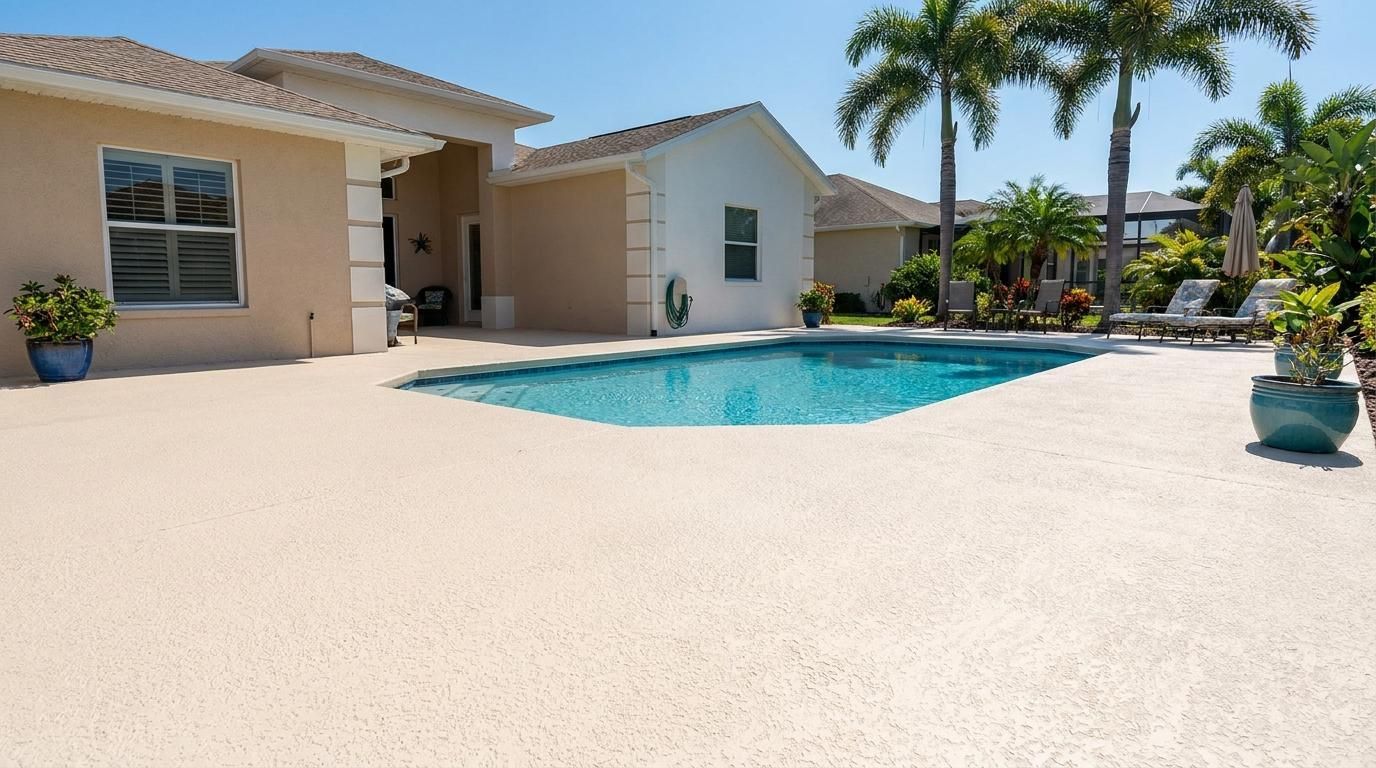
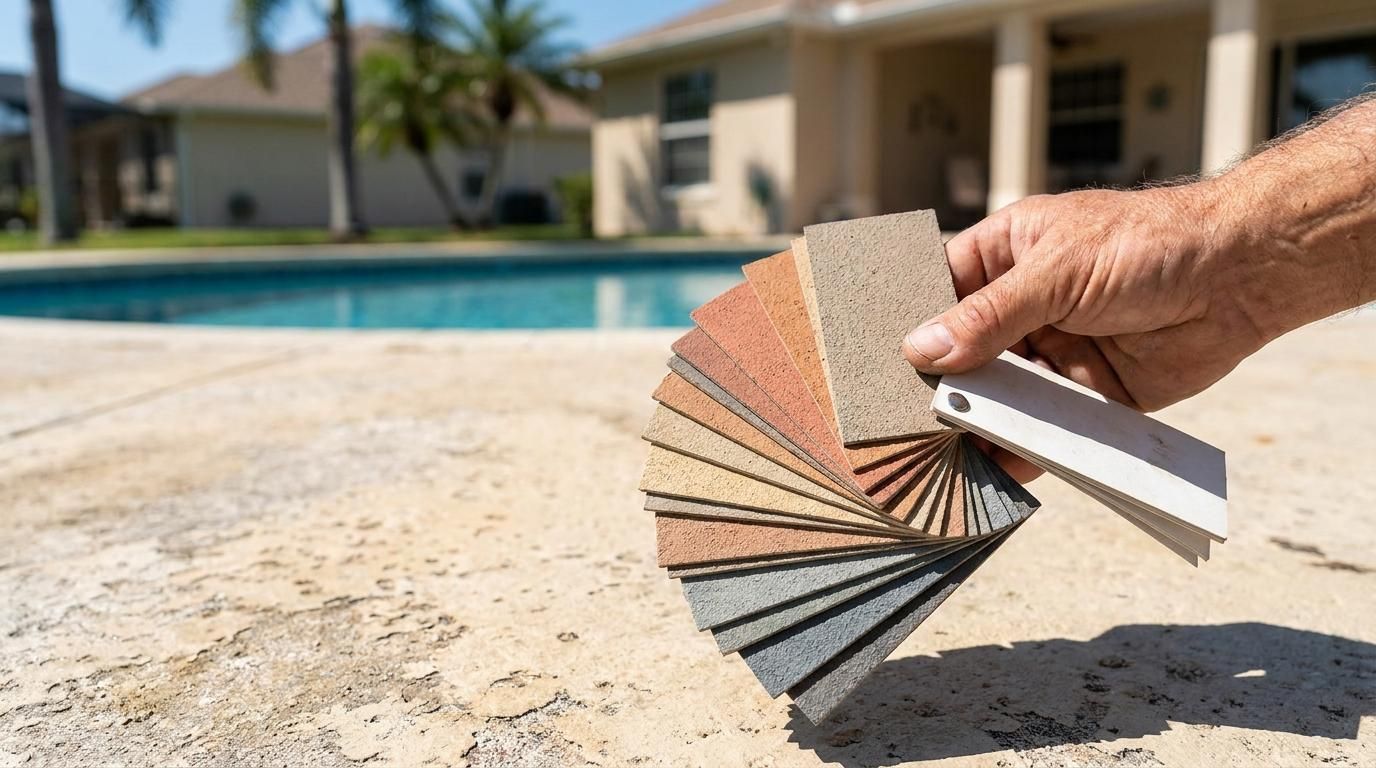
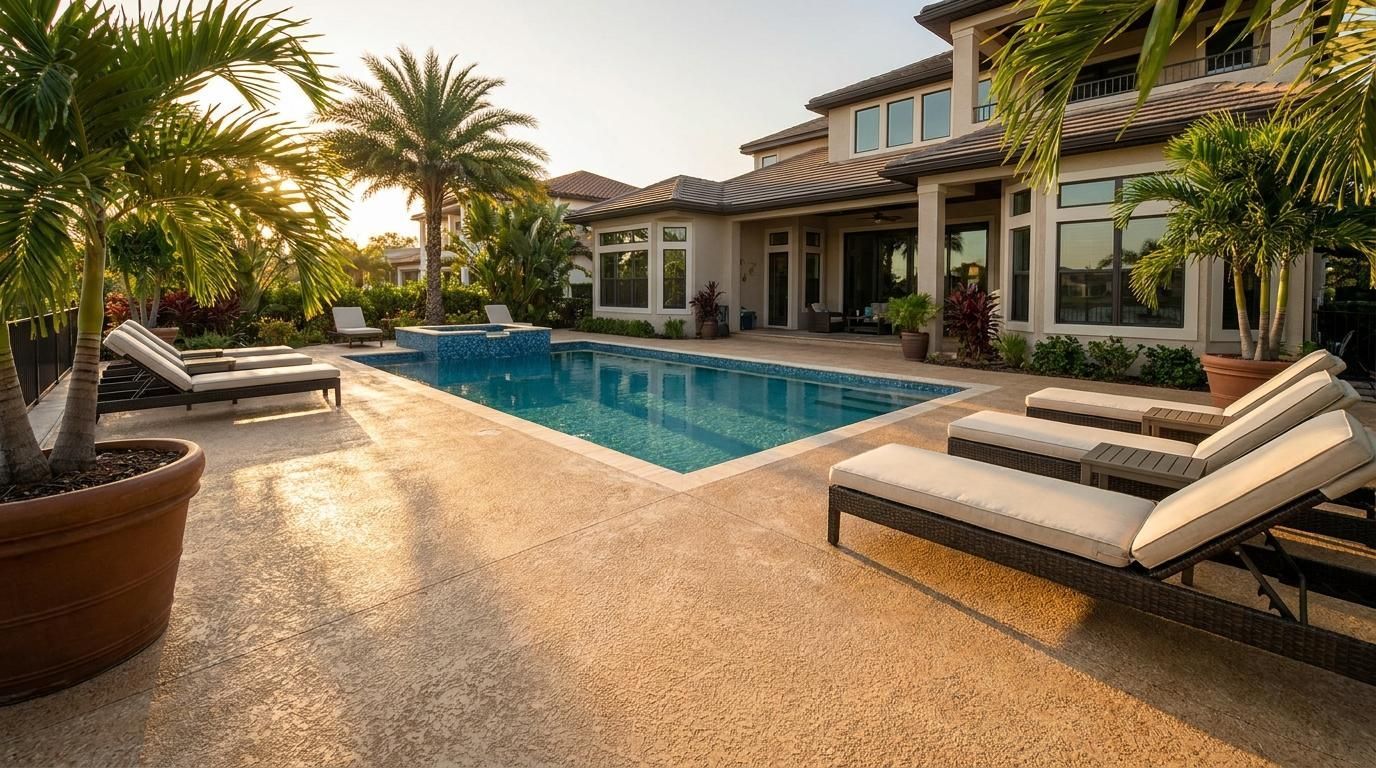
A cool deck coating is a light-colored, textured layer that reflects sunlight, and it's the go-to fix when bare feet are the main complaint. The reflective surface runs up to 20 degrees cooler than bare gray concrete, which keeps a deck walkable through a Tampa August, and the texture grips wet feet climbing out of the pool. Concrete Surface Pros offers cool deck colors that match a home's exterior, with the range visible across finished pool deck coating projects. The tradeoff is that cool deck is a thinner acrylic-based finish, so it needs reapplication sooner than a thicker resin system.

Epoxy Coatings: Why They Struggle Outdoors

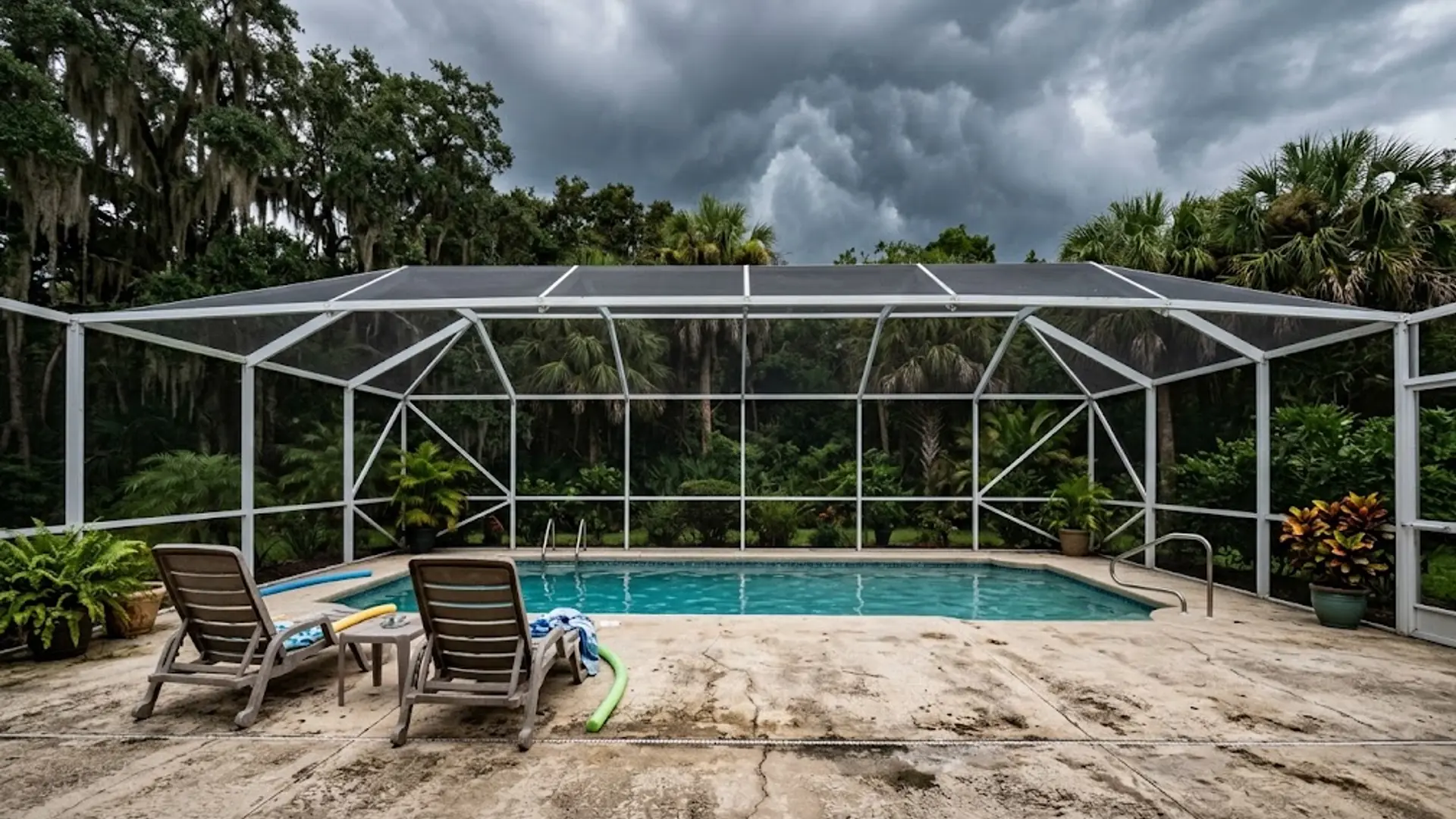
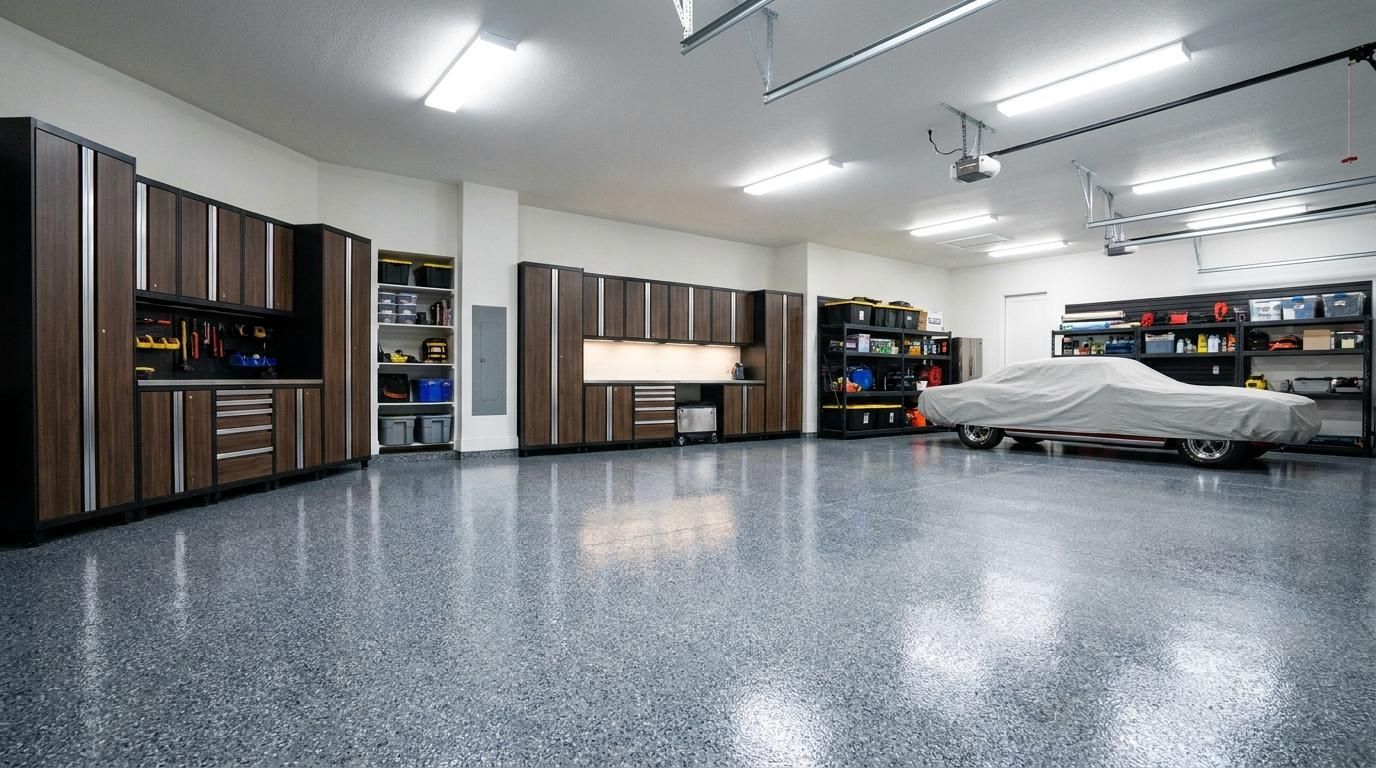
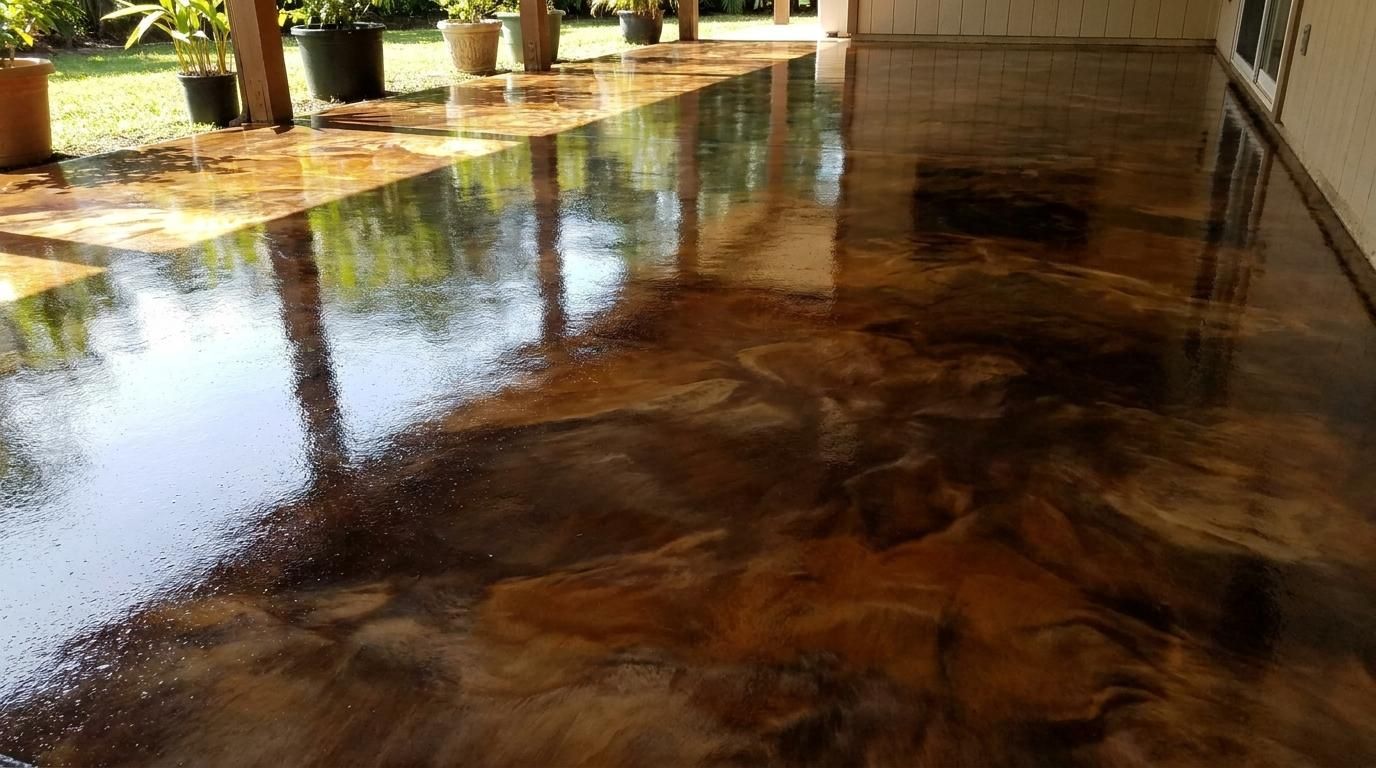
Epoxy is a thick, hard-wearing resin that performs beautifully in a garage, but direct Florida sun is its weakness. Standard epoxy is not UV-stable, so an uncovered pool deck can yellow, chalk, and lose its shine within a few seasons. It also turns slick when wet unless a non-slip additive is broadcast into the topcoat. Epoxy-only systems typically last 5 to 10 years outdoors, far shorter than a UV-stable resin. For a covered, shaded lanai, epoxy can still hold up, but an open deck in full sun needs a finish built for UV.

Polyaspartic Coatings: The All-Around Florida Winner

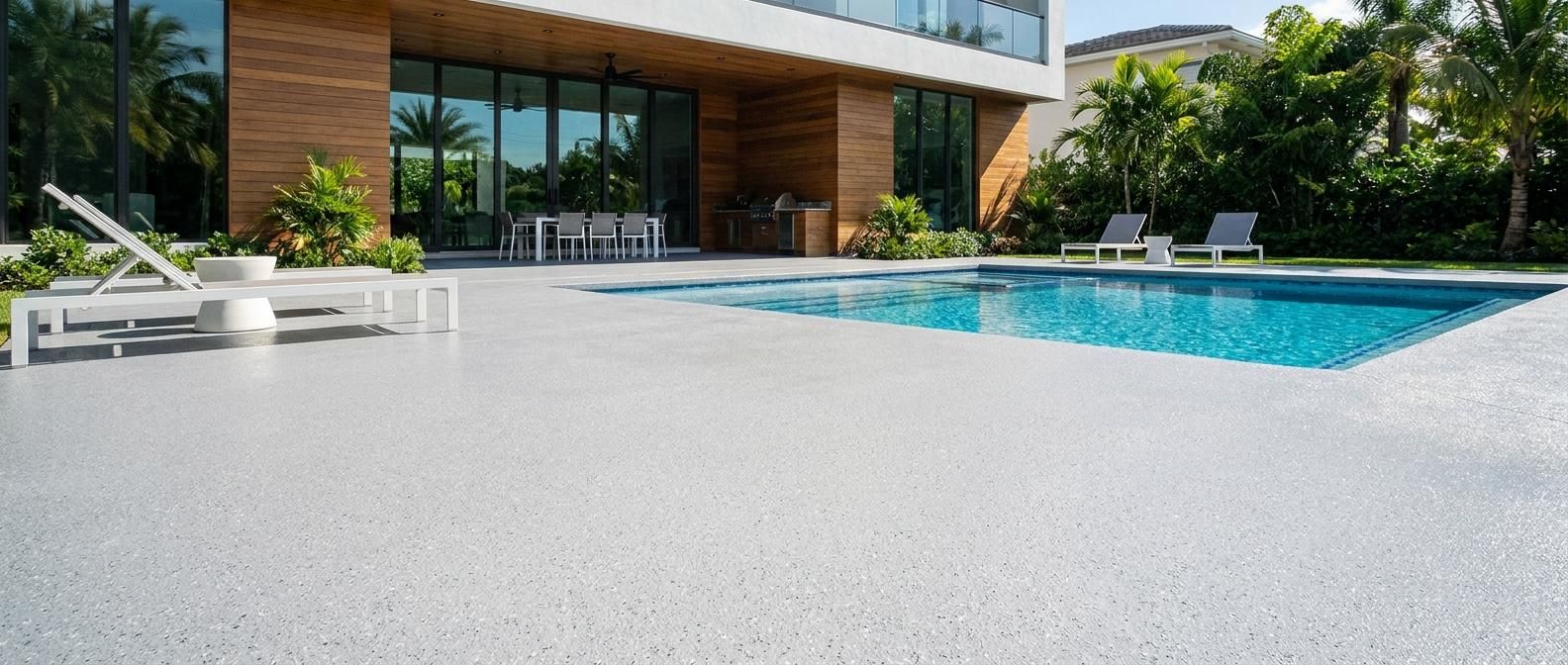
Polyaspartic is a UV-stable, fast-curing resin engineered for the chlorine, salt, and harsh sun that wear other finishes down. It holds its color outdoors where epoxy yellows, bonds tightly over a diamond-ground surface, and cures fast enough to reopen a deck in about a day. Properly installed polyaspartic and hybrid systems last 15 to 20 years or more, which is why Concrete Surface Pros builds them into its residential concrete coating services. A non-slip additive handles wet feet, and the seamless surface rinses clean. For most Tampa pool decks, polyaspartic is the most durable choice.

Cool Deck vs. Epoxy vs. Polyaspartic at a Glance

Here's how the three coatings compare on the factors that matter most for a Florida pool deck. Use it as a quick gut-check before you book an estimate.

Factor Cool Deck Epoxy Polyaspartic
Heat underfoot Coolest, up to 20°F cooler Warmer, absorbs heat Cooler in light colors
UV durability Good Poor, yellows and chalks Excellent
Slip resistance High, textured Needs additive High with additive
Lifespan Reapply sooner 5–10 years outdoors 15–20+ years
Cost per sq ft $4–$6 Varies by system $6–$12

How to Choose the Right Pool Deck Coating

The right pool deck coating comes down to which problem bothers you most. Match your top priority to the finish that solves it:

  • Scorching surface: a cool deck coating reflects the most heat and stays coolest underfoot.
  • Maximum durability: polyaspartic resists UV, chemicals, and daily wear the longest.
  • Shaded or covered area: epoxy can work where it stays out of direct sun.
  • Decorative look: ask about flake or stained finishes layered under a UV-stable topcoat.

Concrete Surface Pros walks homeowners through these tradeoffs so the finish fits the deck their budgets, and their expectations.

Frequently Asked Questions

What is the best coating for a concrete pool deck in Florida?

The best coating for a concrete pool deck in Florida is typically polyaspartic or a cool deck coating, because both resist UV, pool chemicals, and heat that break down standard epoxy. Cool deck wins on keeping the surface cool underfoot, while polyaspartic wins on long-term durability.

Is epoxy or polyaspartic better for a pool deck?

Polyaspartic is better than epoxy for a pool deck exposed to Florida sun, because it is UV-stable and won't yellow or chalk the way standard epoxy does outdoors. Epoxy is an excellent garage floor coating but struggles under constant UV and pool chemicals. For a shaded or covered area, epoxy can still work, but an open deck in full sun lasts longer with polyaspartic.

How long does a pool deck coating last in Florida?

A pool deck coating in Florida lasts anywhere from 5 to 20 years depending on the system. Epoxy-only finishes last about 5 to 10 years outdoors, while UV-stable polyaspartic and hybrid systems last 15 to 20 years or more. Diamond grinding the slab before coating is what makes the bond last, which is why professional prep outlasts DIY kits.

Match the Coating to Your Pool Deck

The best coating isn't universal. It's whichever one addresses your deck's biggest weakness. Cool deck wins if the surface is too hot to stand on, polyaspartic wins if you want the longest life from a single installation, and epoxy earns its place if the area is shaded. Get those priorities straight and the choice almost makes itself.

To see which system fits your deck, get a free pool deck estimate or call (727) 420-9541.

The pros of an epoxy garage floor in Tampa
By Elissa Merritt June 29, 2026
An honest breakdown of epoxy garage floor pros and cons for Tampa homeowners, including UV yellowing, cure time, and why prep and product quality decide the outcome.
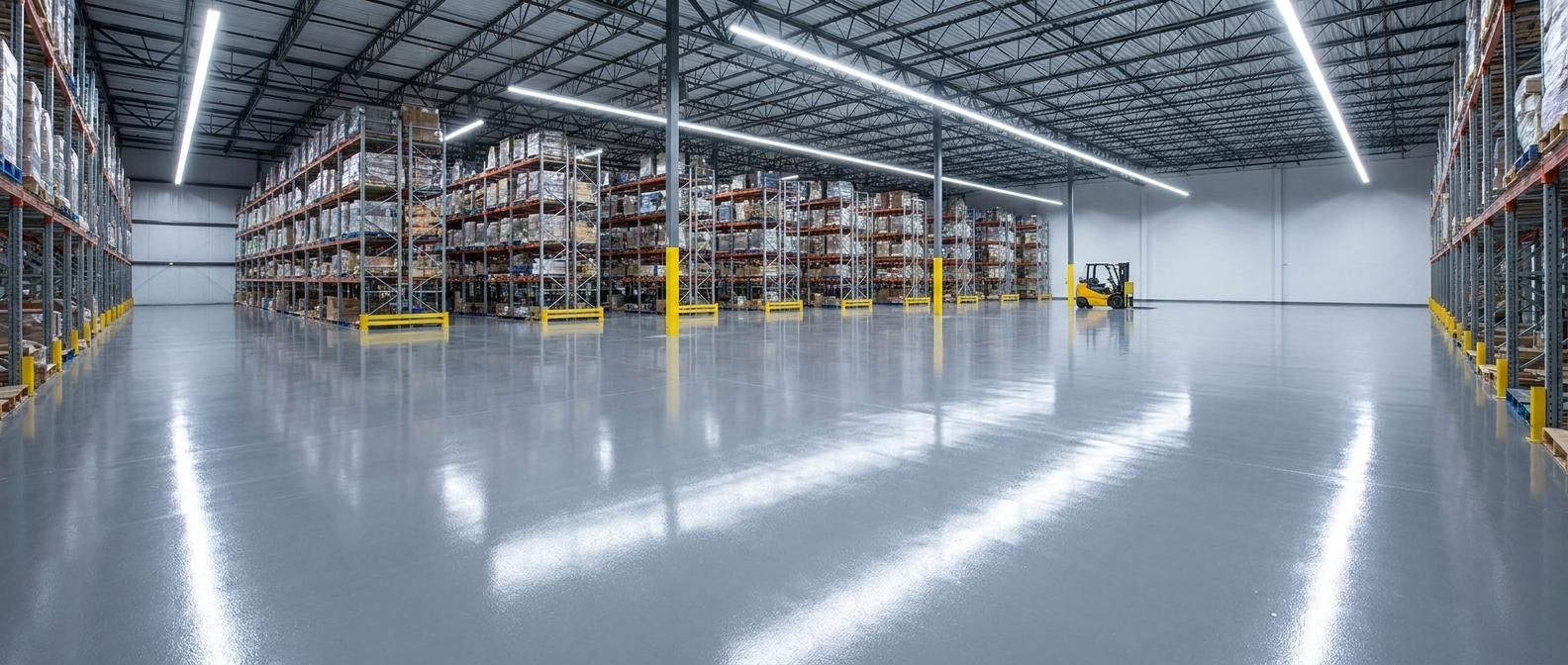
Industrial epoxy warehouse floor coating for heavy traffic
By Elissa Merritt June 25, 2026
5 warehouse floor coating options for Tampa's industrial facilities: industrial epoxy, polyaspartic, chemical-resistant, anti-slip, and moisture-mitigation systems.
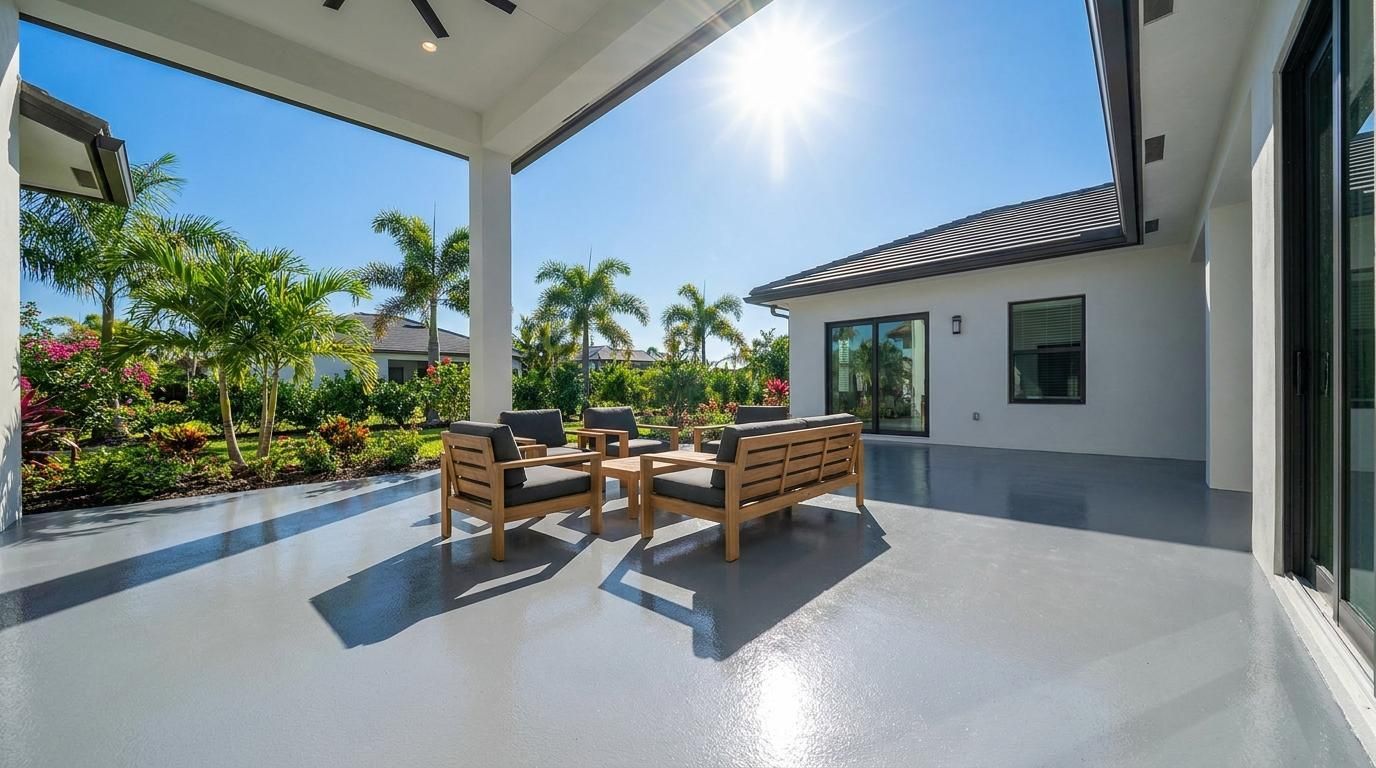
Polyaspartic patio coating built for full-sun durability
By Elissa Merritt June 21, 2026
5 patio and lanai coating options built for the Florida sun: polyaspartic, decorative flake, resurfacing overlays, stained concrete, and epoxy for covered lanais.
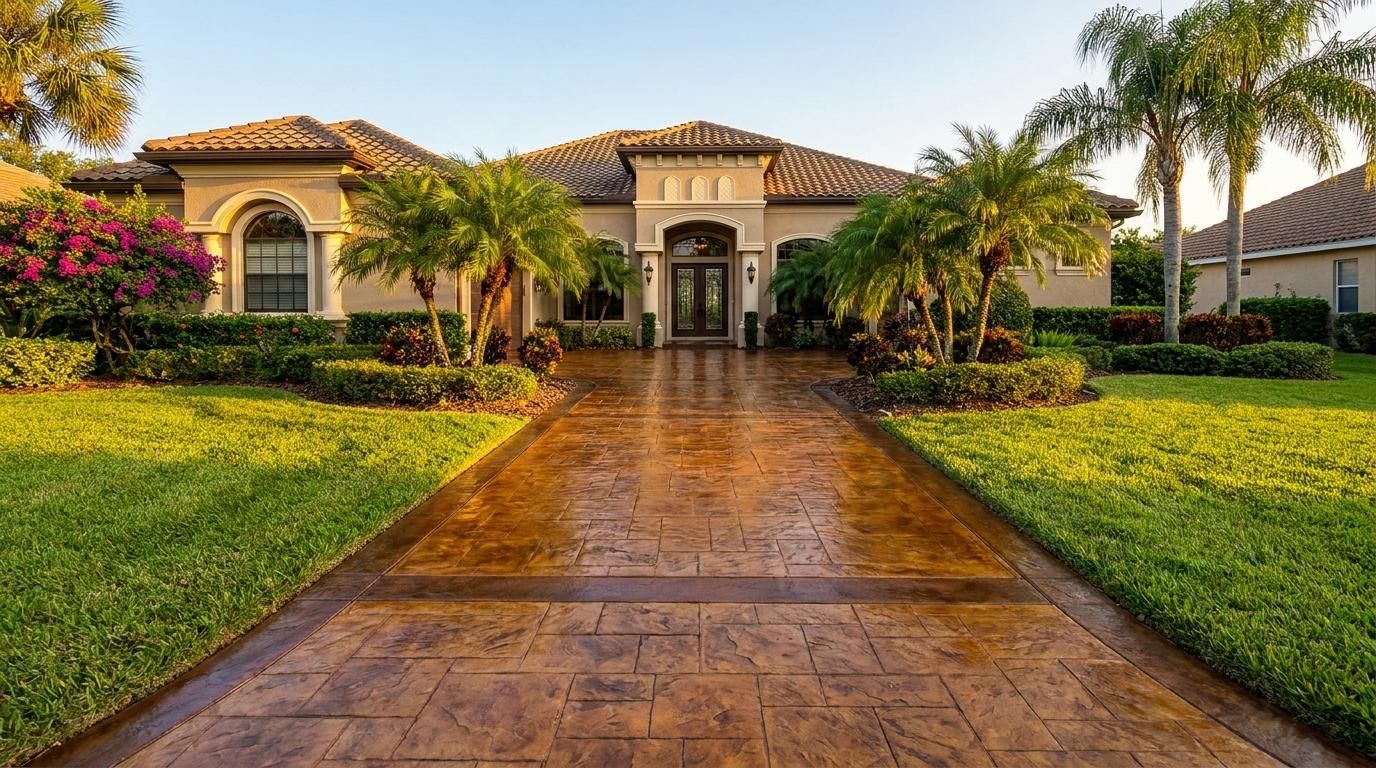
Outdoor concrete coating boosting a Tampa home's curb appeal
By Elissa Merritt June 18, 2026
The best outdoor concrete coating for high-value Tampa homes is a UV-stable polyaspartic or decorative overlay. See top options and where they boost curb appeal.
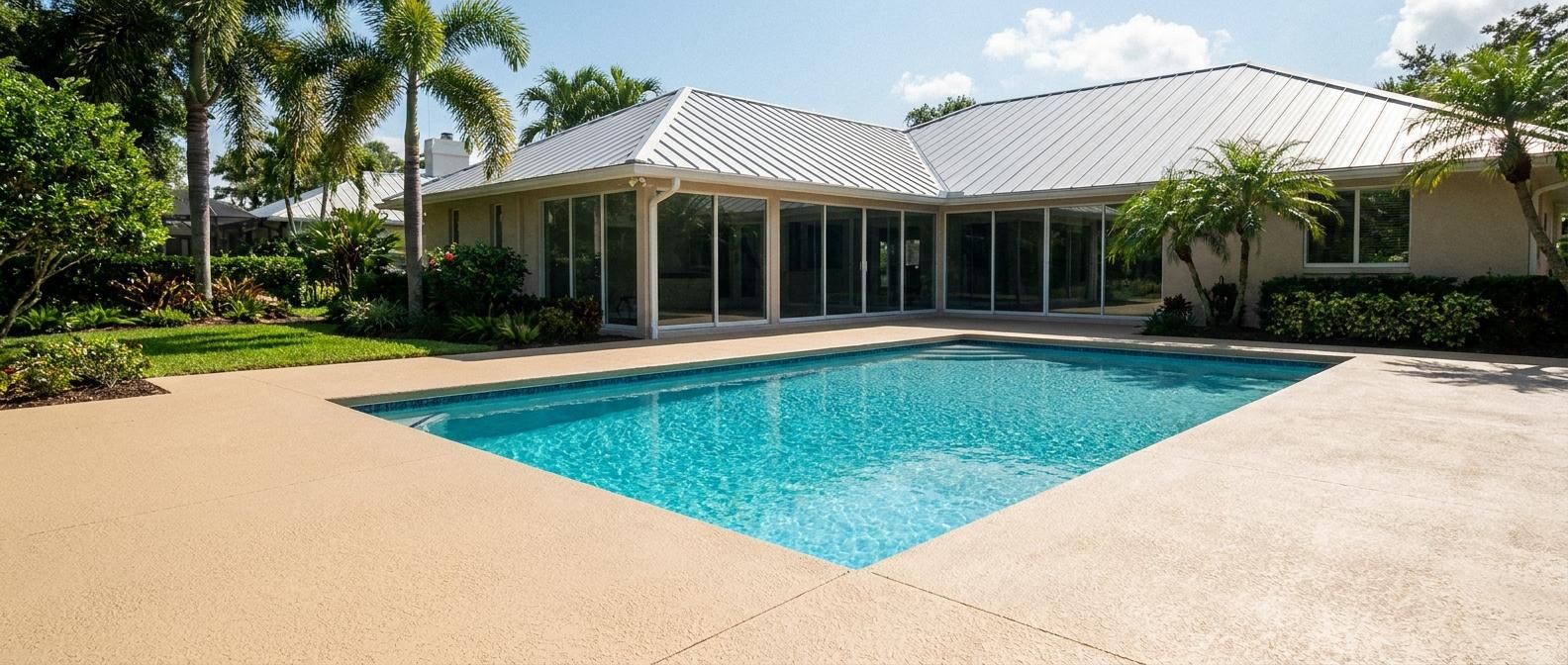
Pool deck resurfacing cost per square foot in Tampa
By Elissa Merritt June 15, 2026
Pool deck resurfacing cost in Tampa runs $4 to $15 per square foot. See 2026 pricing by system and deck size, what drives the price, and resurface vs replace.
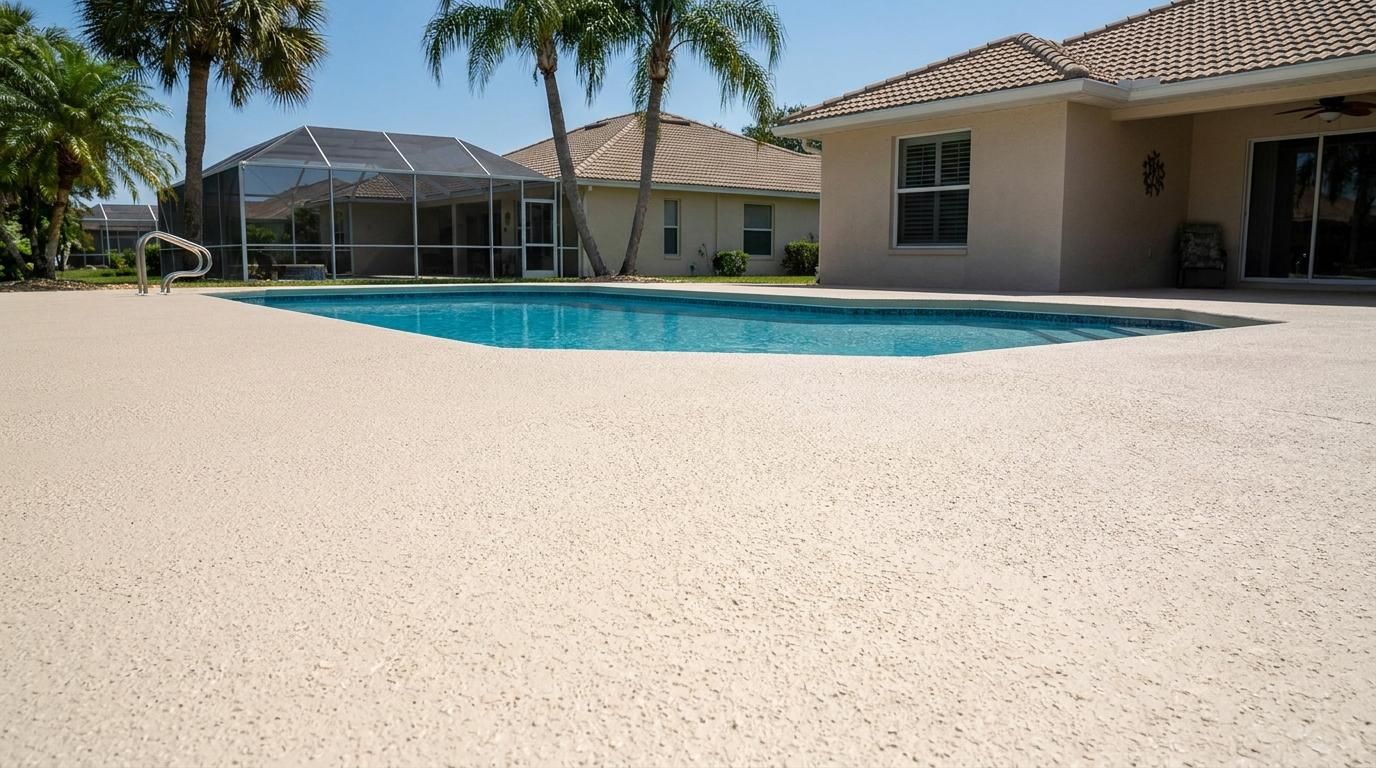
Cool deck coating on a Tampa pool deck
By Elissa Merritt June 6, 2026
Explore 5 pool deck resurfacing ideas built for Tampa's heat and humidity, from cool deck coatings to decorative flake. Concrete Surface Pros discusses each.
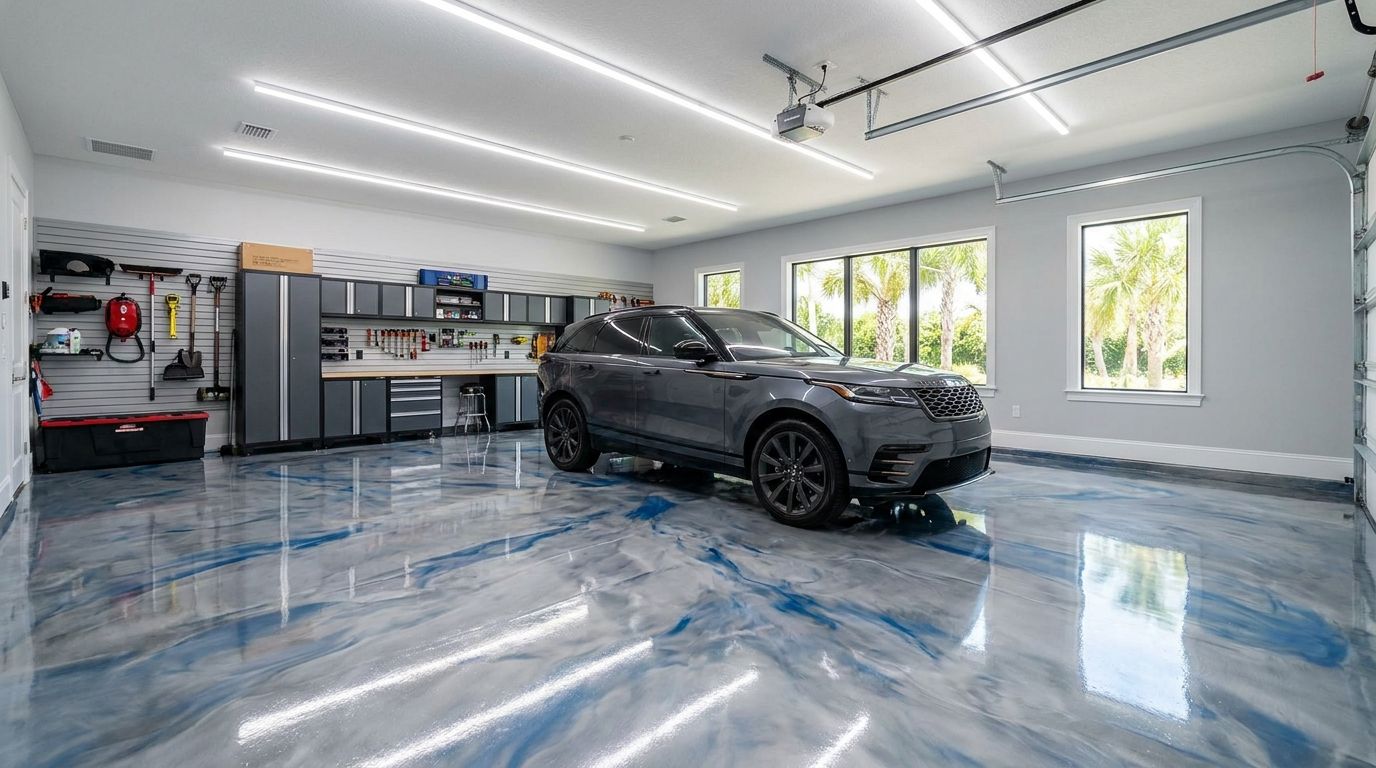
By Elissa Merritt May 29, 2026
Is epoxy flooring worth the investment? Compare costs, lifespan, and ROI for Tampa homeowners. Learn the honest pros and cons from local coating professionals.

By Elissa Merritt May 25, 2026
Discover the best commercial kitchen floor coating options for Tampa. See Florida health code requirements, costs, and which system fits your operation.
By Elissa Merritt May 21, 2026
See 3 decorative concrete patio ideas for Tampa weather: decorative flake systems, epoxy coatings, and resurfacing overlays. Check their costs & durability.
By Elissa Merritt May 18, 2026
Kool Deck resurfacing in Tampa costs $3-$5 per sq foot for patches. Modern cool deck and polyaspartic coatings last longer. Compare their costs & alternatives.
Show More