Epoxy Garage Floor Pros and Cons: An Honest Breakdown for Tampa Homeowners
Epoxy garage floor pros and cons come down to one tradeoff: a hard, good-looking floor is only as good as its prep. It cleans easily and resists wear, but standard epoxy can yellow if it’s exposed to direct sunlight. Concrete Surface Pros installs professional garage floor coatings across Tampa Bay, where prep and product quality decide how a floor holds up.
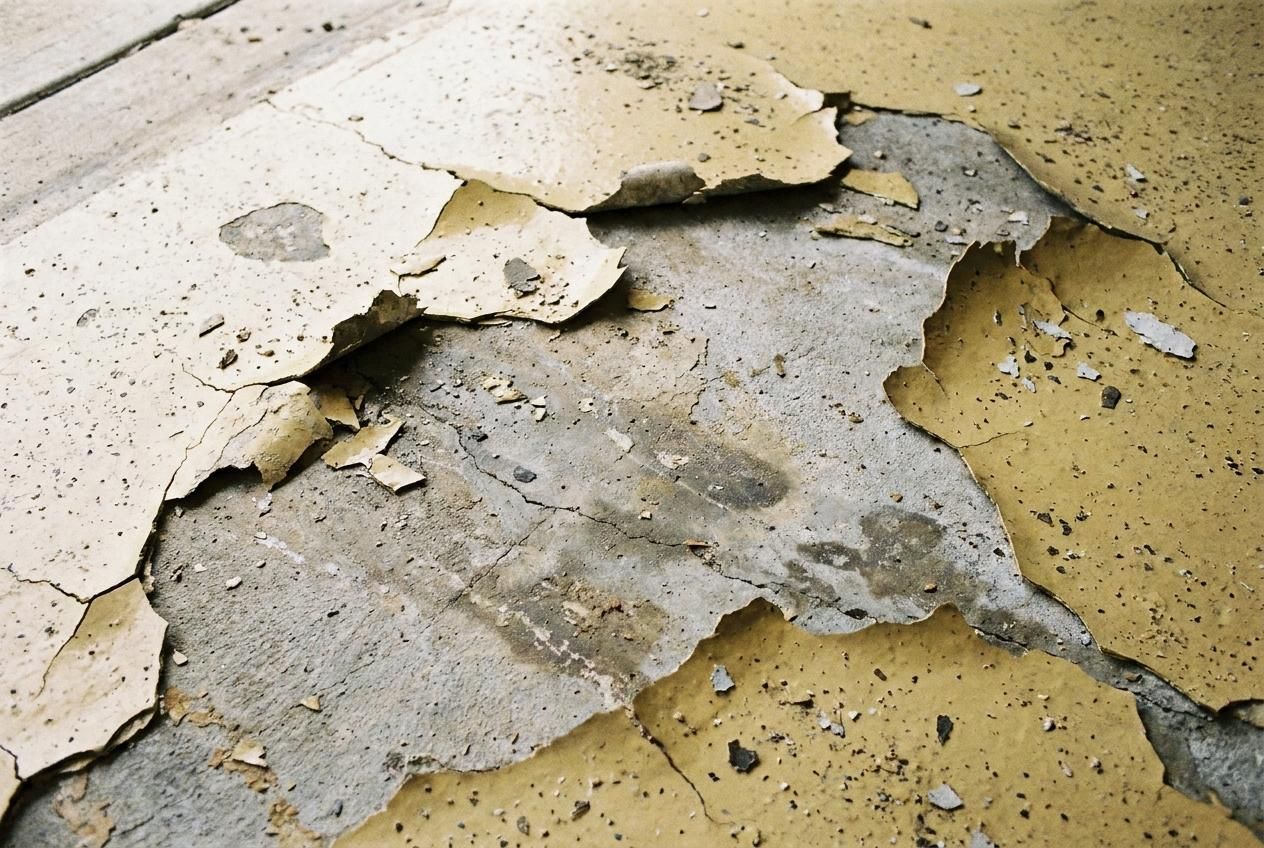
Most of the cons people pin on epoxy, like peeling, bubbling, or a yellow cast, get blamed on the coating itself, when they almost always trace back to a bargain DIY kit or a slab that was never properly prepped. Real professional epoxy behaves very differently from a big-box bucket. This breakdown separates the genuine tradeoffs from the avoidable mistakes, so you can decide whether an epoxy garage floor fits your Tampa home.
The Pros of an Epoxy Garage Floor
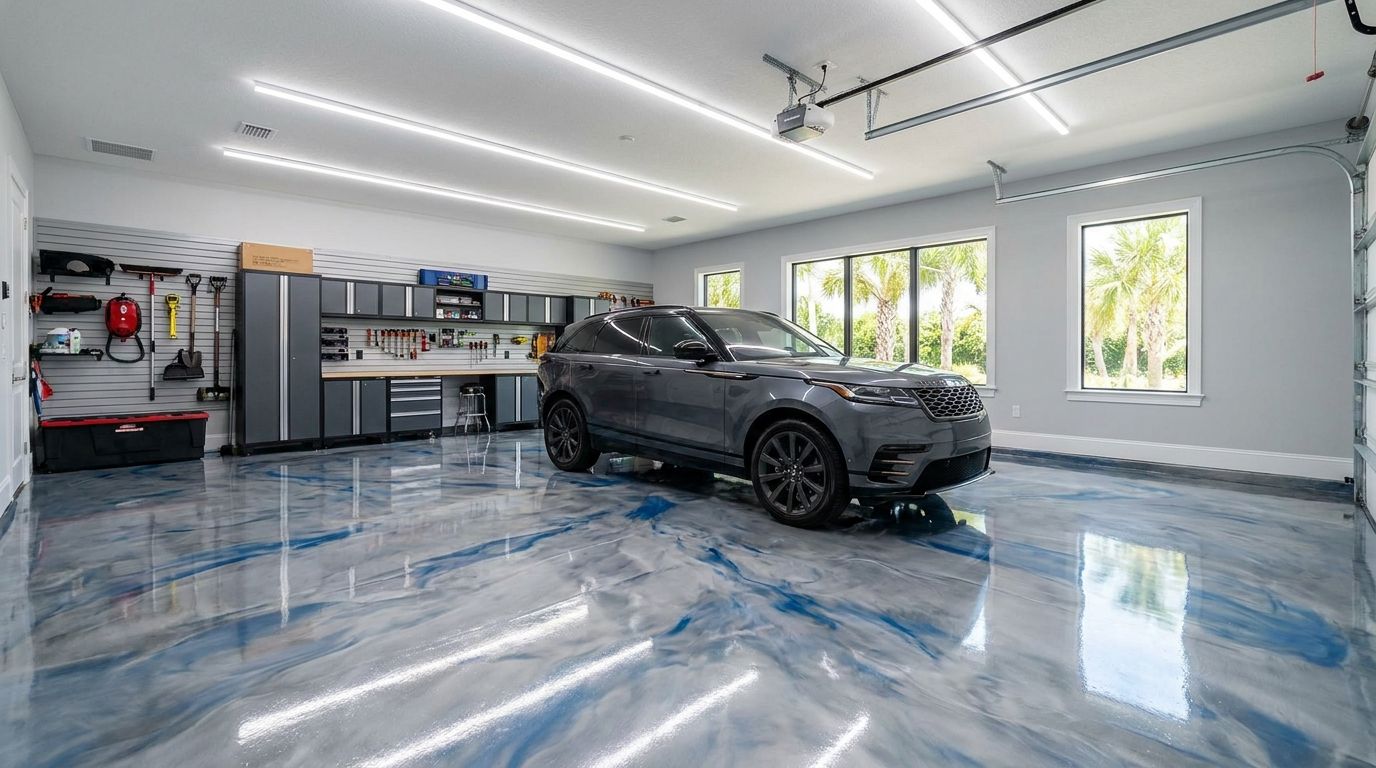
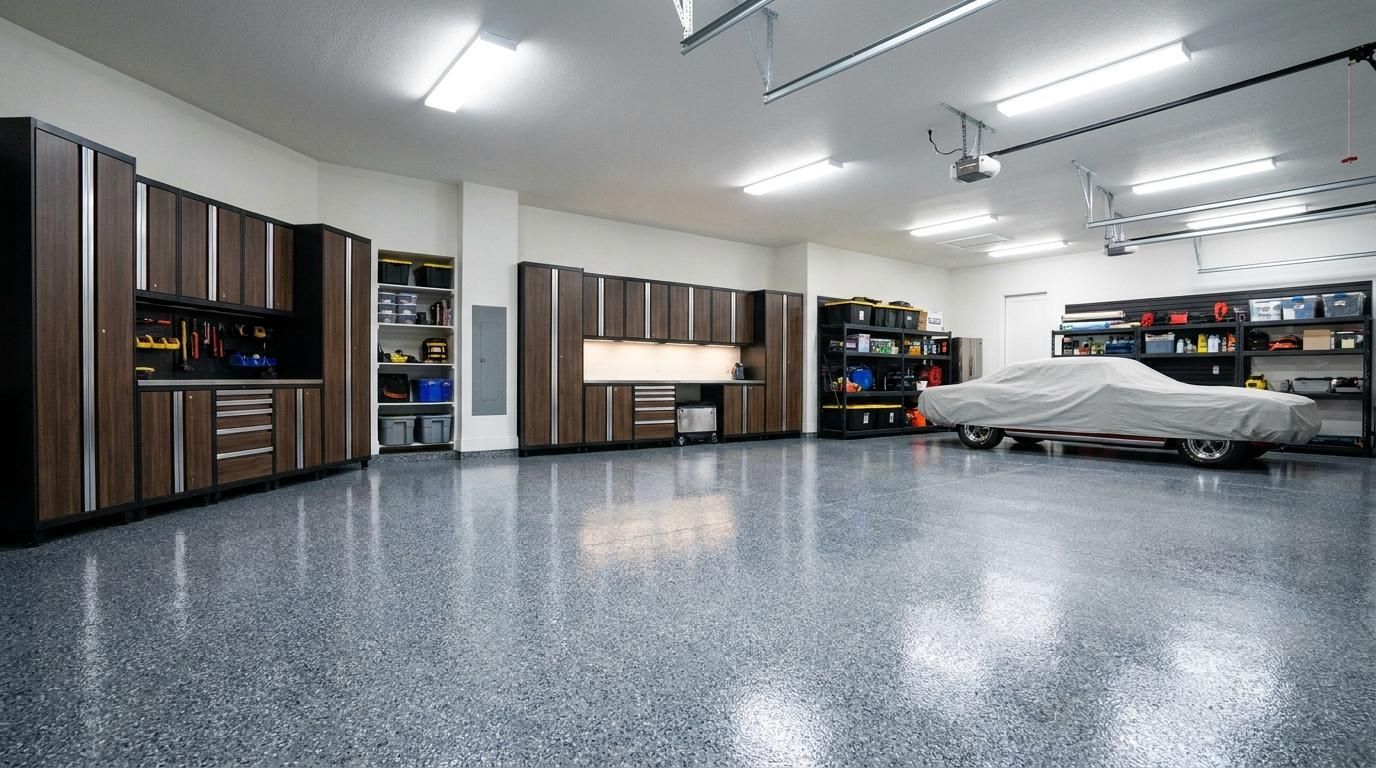
Done right, an epoxy garage floor earns its popularity. The upsides include:
- Durability: a hard, seamless surface that resists abrasion, impacts, and everyday wear.
- Easy cleaning: spills, oil, and dust wipe up instead of soaking into bare concrete.
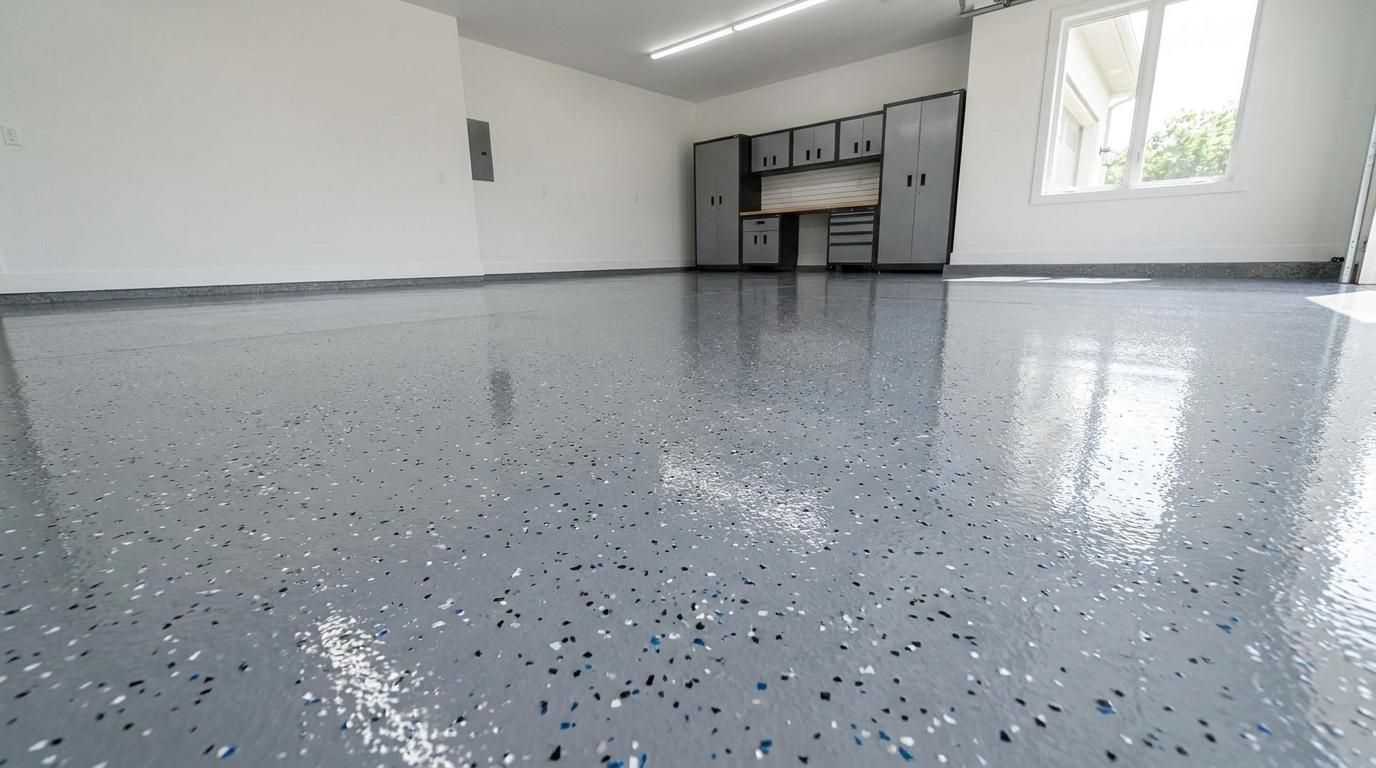
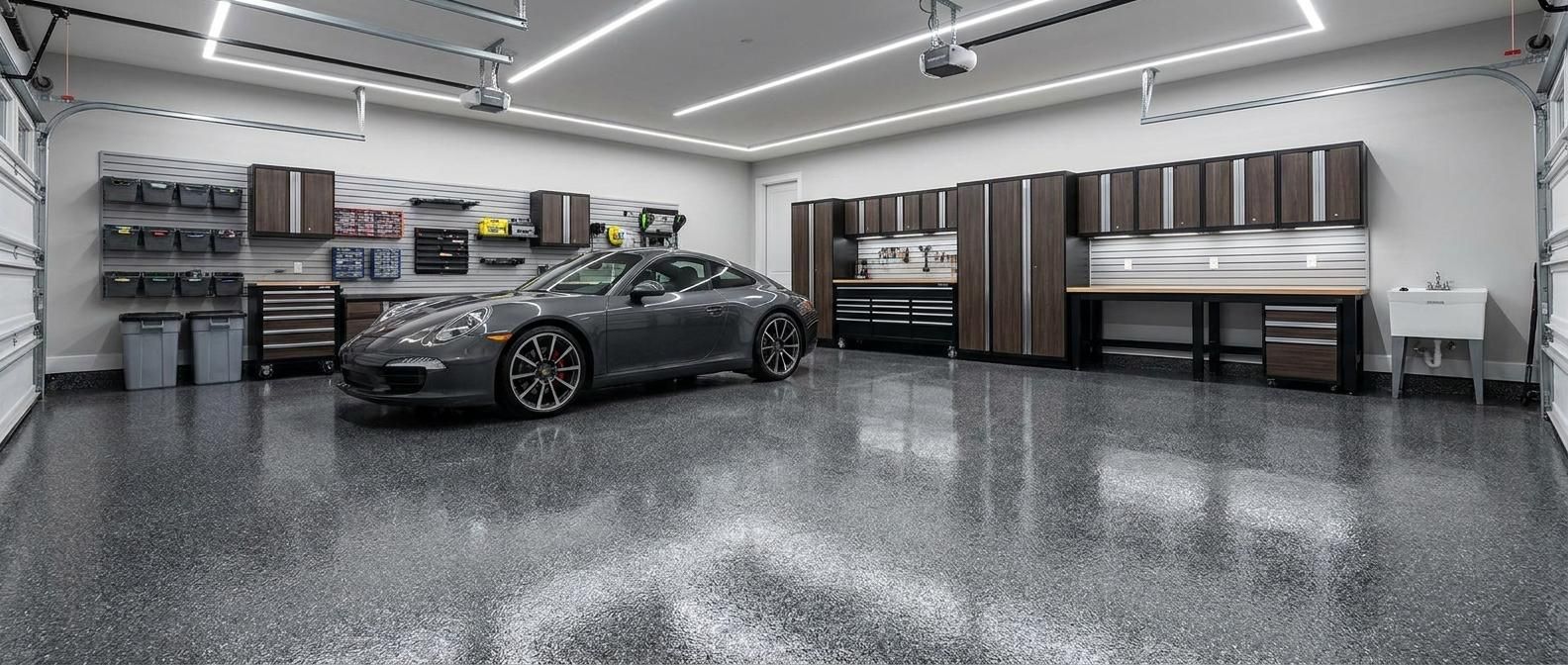
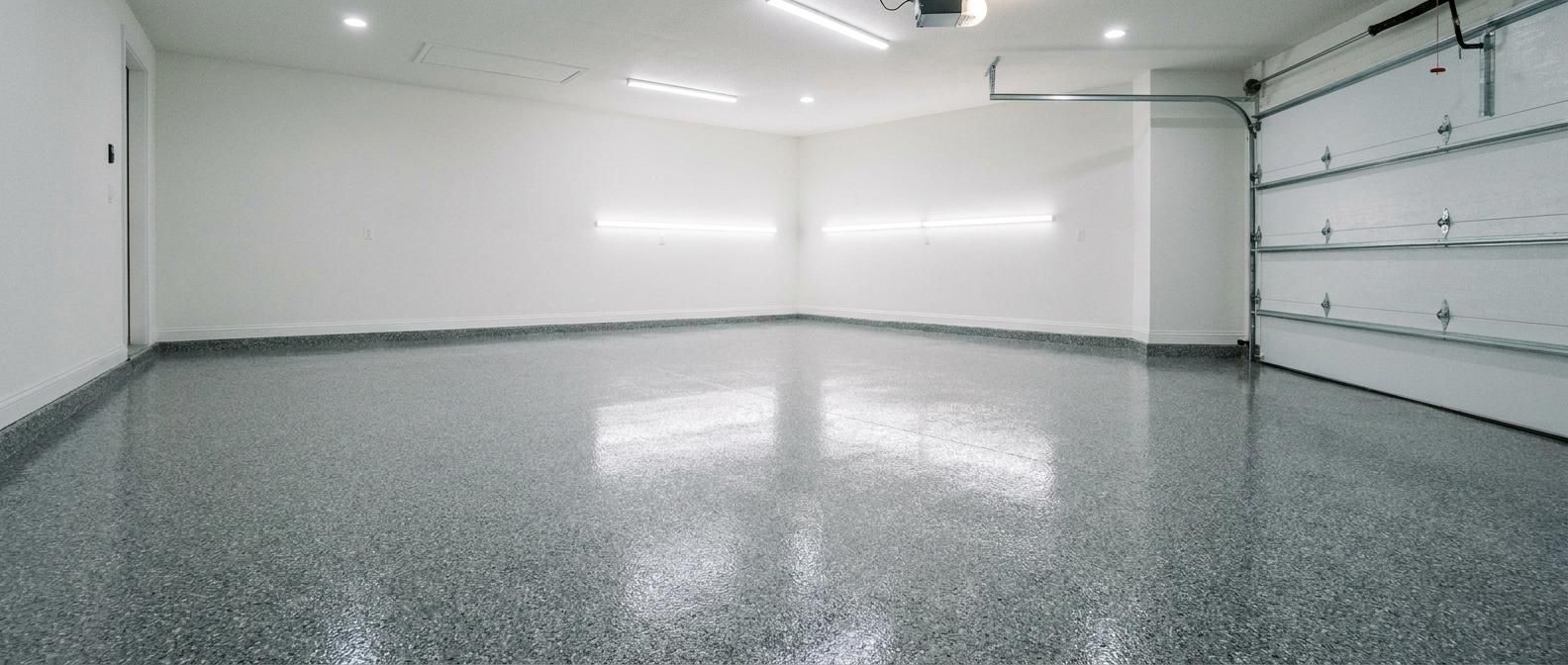
- Looks: a bright, glossy finish with color and flake options that transform a garage.
- Protection: the coating seals the slab against stains, moisture, and surface dusting.
If epoxy is new to you, our blog post on what epoxy floor coating is explains how the resin-and-hardener system bonds into the slab.
The Cons of an Epoxy Garage Floor
Epoxy isn't perfect, and the honest drawbacks are worth knowing:
- UV sensitivity: standard epoxy can yellow or chalk where strong sunlight reaches it.
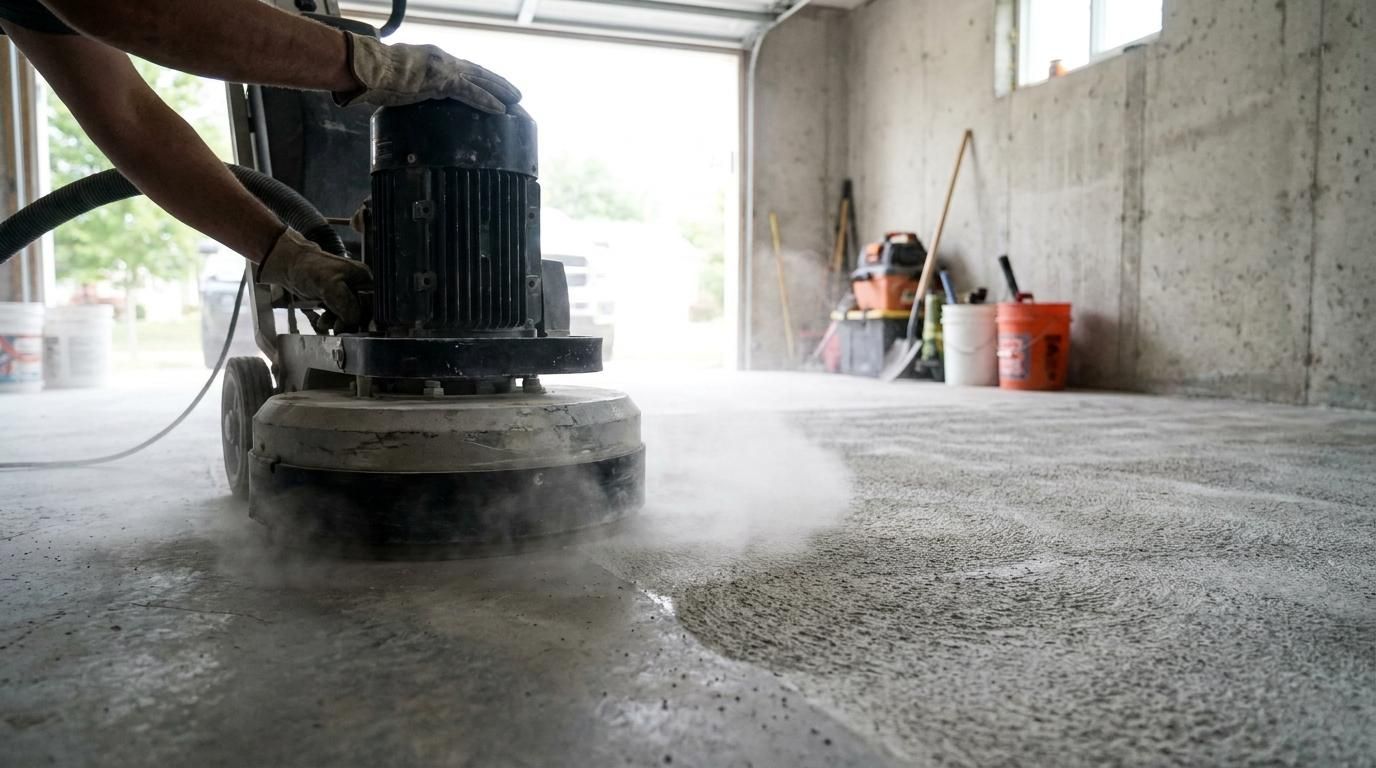
- Prep-dependent: without diamond grinding, the coating can peel or bubble early.
- Cure time: a full epoxy system needs several days to cure before the garage is back in use.
- Hot-tire pickup: cheap coatings can lift where hot tires sit, though quality systems resist it.
The Real Issue: Product Quality and Prep
Here's what most pros-and-cons lists miss: the worst epoxy failures aren't really about epoxy. They come from a cheap big-box kit with thin, low-solids resin, or a contractor who skipped surface prep to save a day. Professional systems use high-solids resin over a diamond-ground, moisture-tested slab, which is why they don't peel the way DIY jobs do; our garage floor coating DIY guide walks through what proper prep involves. The same coating can last fifteen years or fail in one, depending entirely on product and prep.
Epoxy vs. Polyaspartic for Tampa Garages
If UV yellowing or cure time worries you, polyaspartic is the upgrade worth knowing about. It's a UV-stable resin that holds its color, cures fast enough to use the garage the next day, and resists hot-tire pickup. Many Tampa homeowners now choose a hybrid: an epoxy base coat for build and adhesion, topped with a polyaspartic clear for color stability and speed. Concrete Surface Pros installs both, and the right choice depends on your budget and how the garage is used. Either way, professional prep is what makes it last.
Is an Epoxy Garage Floor Worth It in Tampa?
For most Tampa garages, a professionally installed epoxy or hybrid floor is well worth it: the durability, easy cleaning, and finished look pay off for years while the slab stays protected underneath. The value math hinges on prep and product, not the lowest sticker price, since a cheap coating that fails erases any savings. For a full breakdown, see our garage floor coating cost guide for Tampa. Done by pros, an epoxy garage floor is one of the better-value upgrades a homeowner can make.
Frequently Asked Questions
What are the disadvantages of an epoxy garage floor?
The main disadvantages of an epoxy garage floor are UV sensitivity, where standard epoxy can yellow in strong sun, a multi-day cure time, and a heavy reliance on surface prep. Skipping diamond grinding leads to peeling and bubbling. Most of these problems come from cheap DIY kits rather than professionally installed high-solids systems.
How long does an epoxy garage floor last?
A professionally installed epoxy garage floor typically lasts 10 to 15 years, and a polyaspartic or hybrid system can last 15 to 20 years or more. Lifespan depends almost entirely on surface prep and product quality. A diamond-ground, moisture-tested slab is what lets a coating reach the high end of that range instead of failing early.
Is epoxy or polyaspartic better for a garage floor?
Polyaspartic is better for color stability, fast curing, and resisting hot-tire pickup, while epoxy offers excellent build and adhesion at a lower cost. Many garages get the best of both with a hybrid system: an epoxy base coat and a polyaspartic clear topcoat. The right choice depends on budget and how the garage is used.
Get an Honest Recommendation for Your Garage
The honest verdict on epoxy garage floors is that the pros outweigh the cons when the work is done with quality product and real surface prep. Most of the cons disappear with a professional install or a hybrid system. Concrete Surface Pros installs these floors across Hillsborough and Pinellas counties, matched to how each garage is used.
To weigh the options for your garage, request a free garage floor estimate or call (727) 420-9541.