How Thick Should Epoxy Flooring Be? Ideal Thickness & Why It Matters

March 5, 2026

How thick is epoxy flooring? A professionally installed multi-layer system typically builds to 20 to 30 mils of total dry film thickness—roughly the thickness of a credit card. That includes a primer, base coat, optional broadcast layer, and topcoat. Concrete Surface Pros serves Tampa Bay homeowners and explains why that number matters.


After coating hundreds of slabs across Hillsborough, Pinellas, and Manatee counties, we've learned one thing: when a coating fails early, it's rarely a bad product. It's because of a thin film build. Most premature peeling, yellowing, and tire-track wear trace back to that one spec—and most homeowners never think to ask about it.


Why Epoxy Thickness Is a System Number

Measuring the thickness of an epoxy floor coating includes the full system, not a single coat. Failures happen when an installer stops there.


A complete professional system typically includes:


  • Primer coat: 3 to 5 mils, penetrates and bonds directly to the concrete
  • Base coat (epoxy or polyurea): 8 to 12 mils, structural adhesion and color
  • Broadcast layer (optional): vinyl flake chips pressed into the wet base coat for texture
  • Topcoat (polyaspartic or urethane): 4–8 mils, UV and abrasion resistance


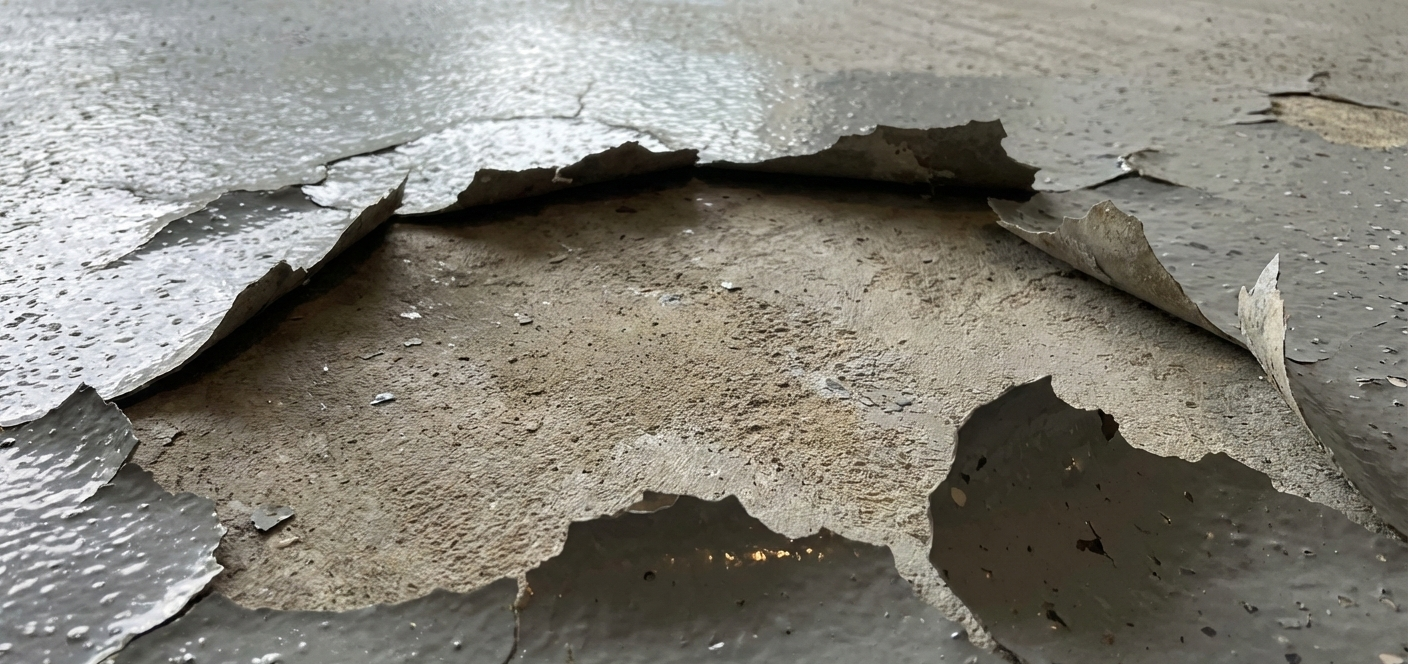
Tampa Bay's year-round humidity drives moisture vapor upward through concrete slabs. When the primer isn’t thick enough and there’s no moisture vapor barrier, that pressure lifts the coating from below, causing many of the bubbling and delamination failures seen in this region. The primer coat isn't decorative; it's what determines whether everything on top holds.


Thickness by Surface and Use

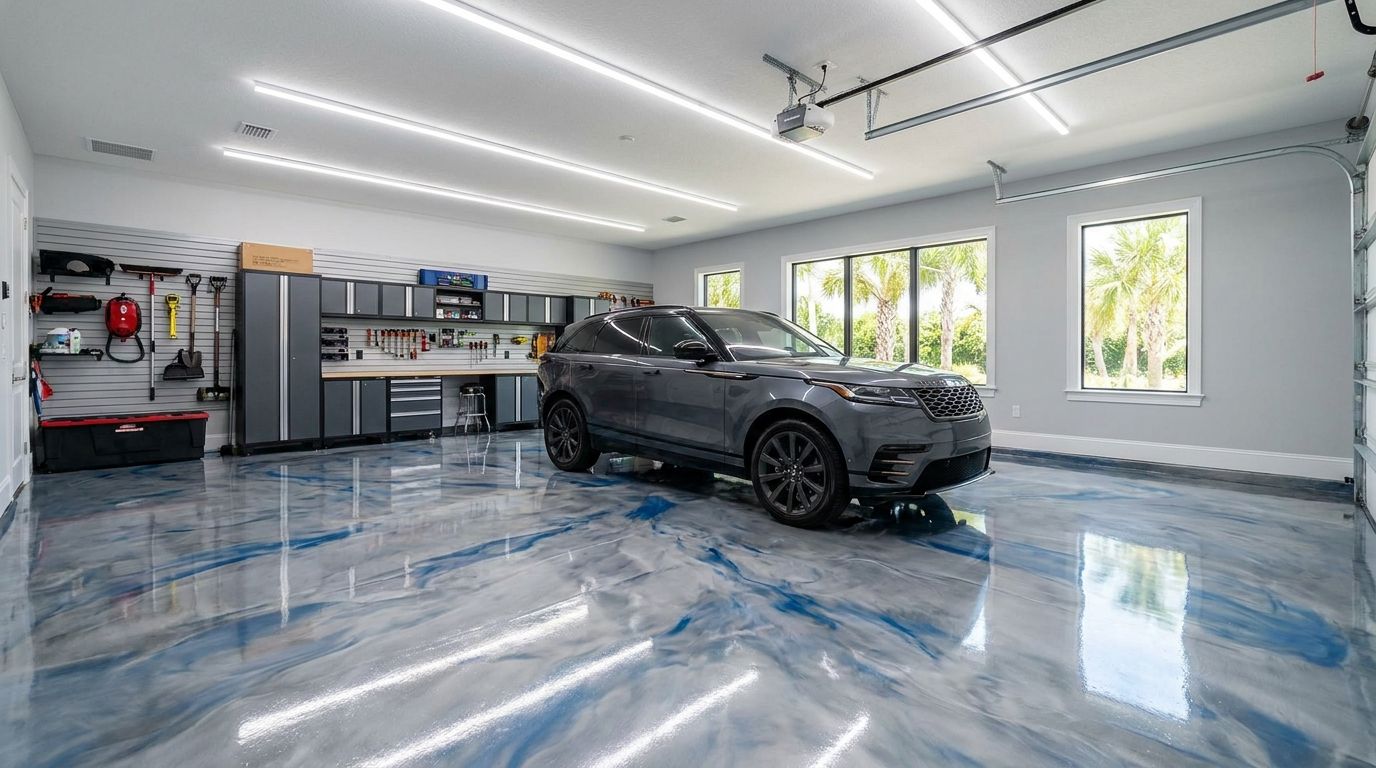
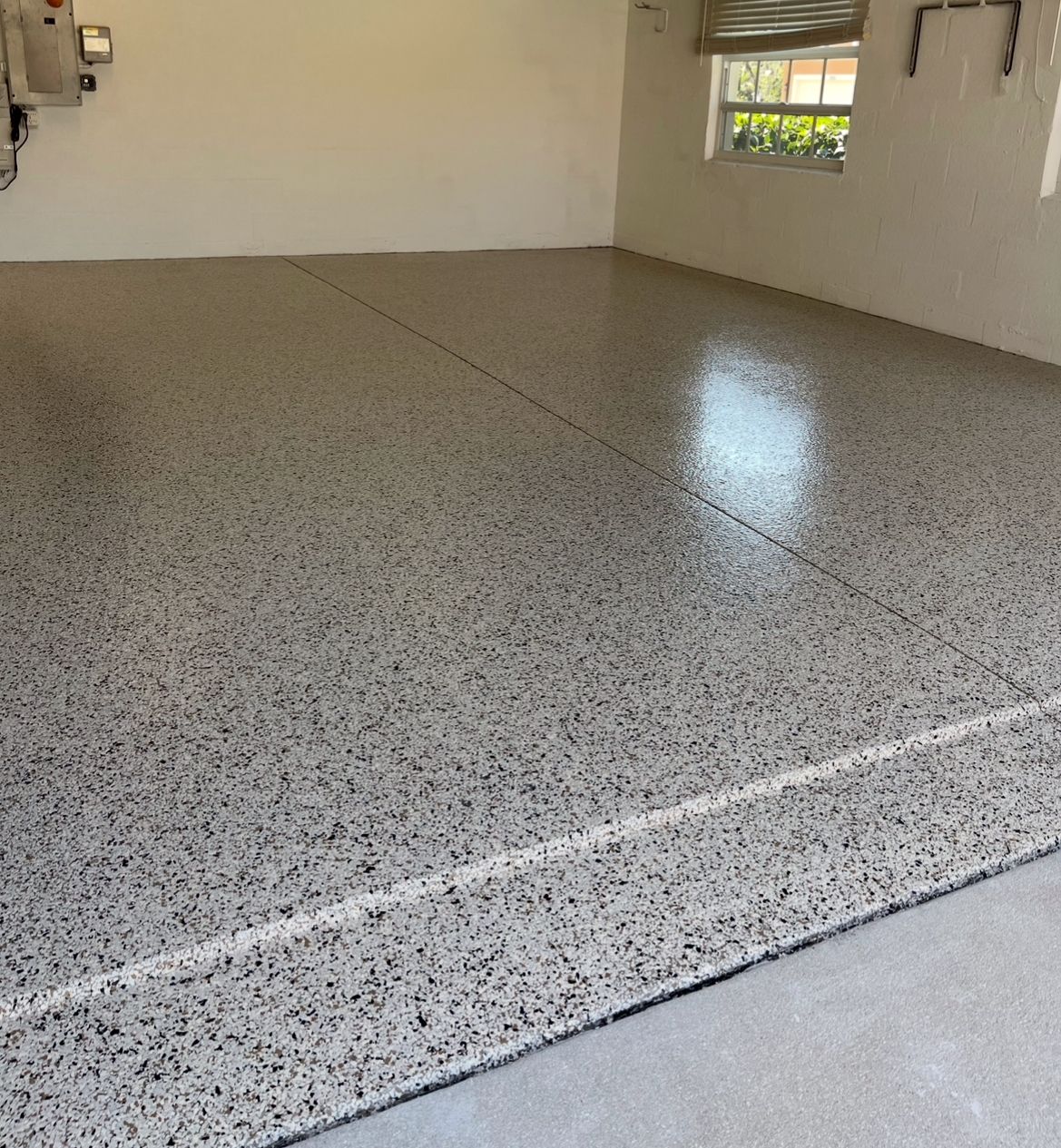
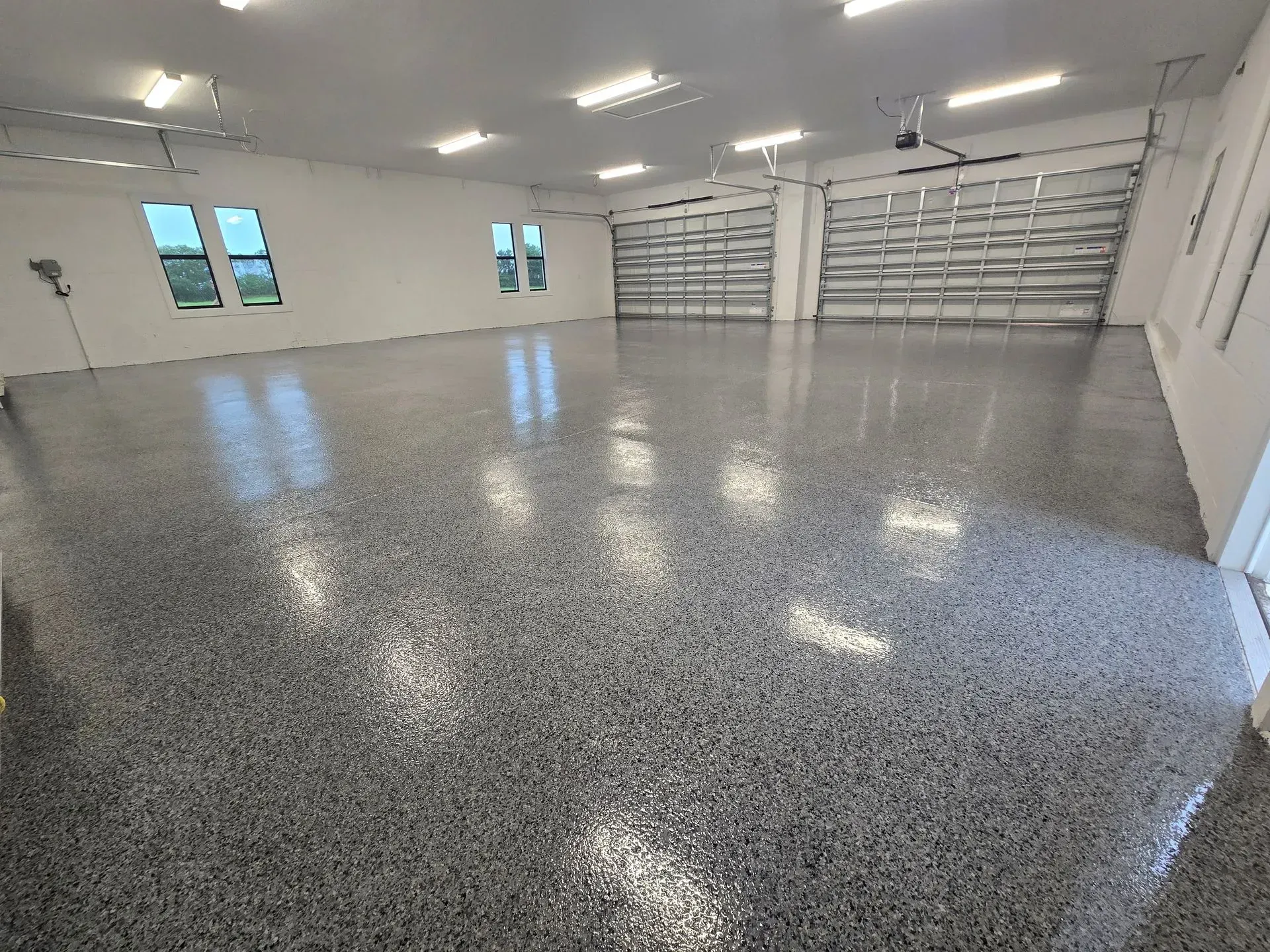
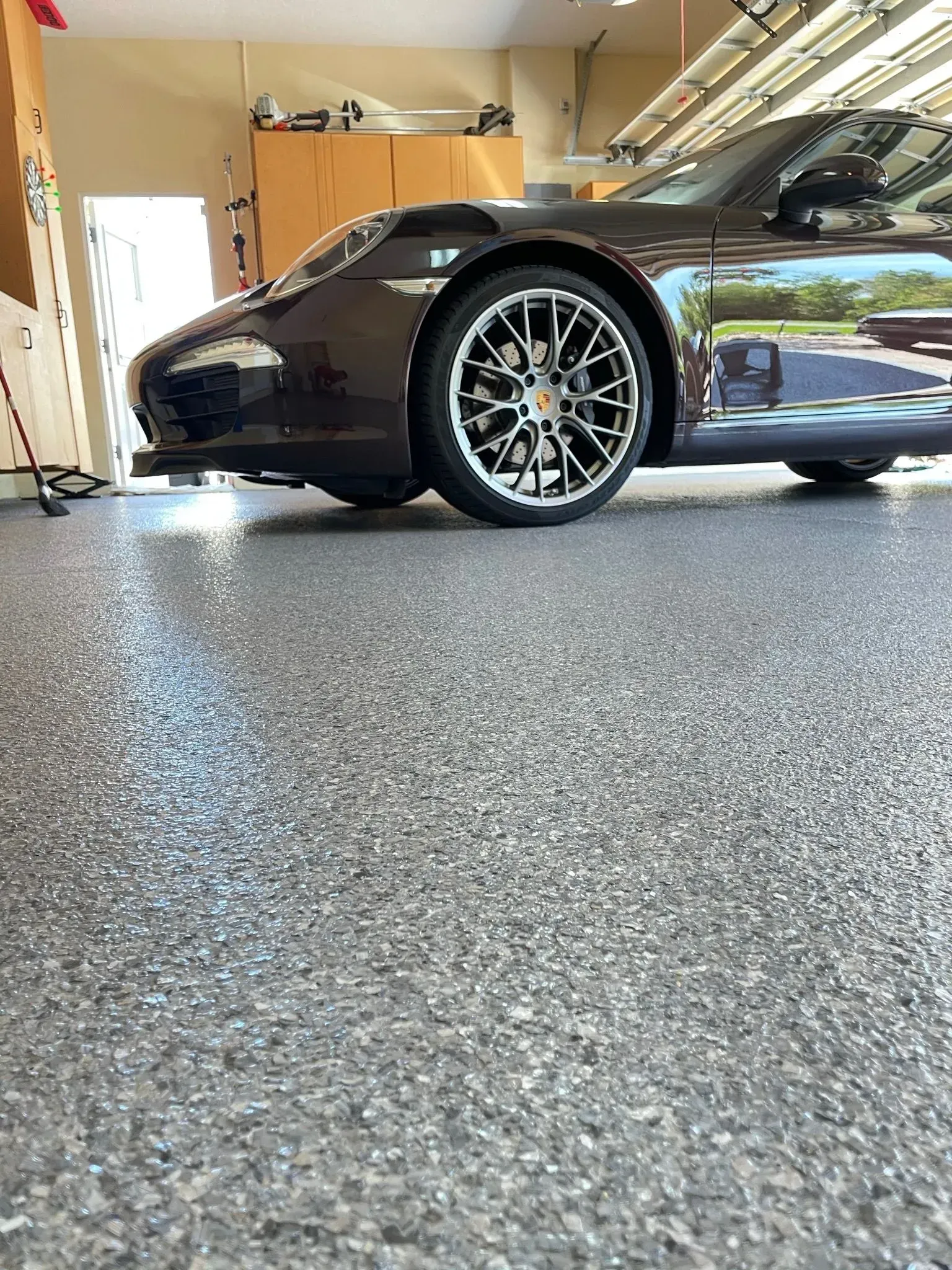
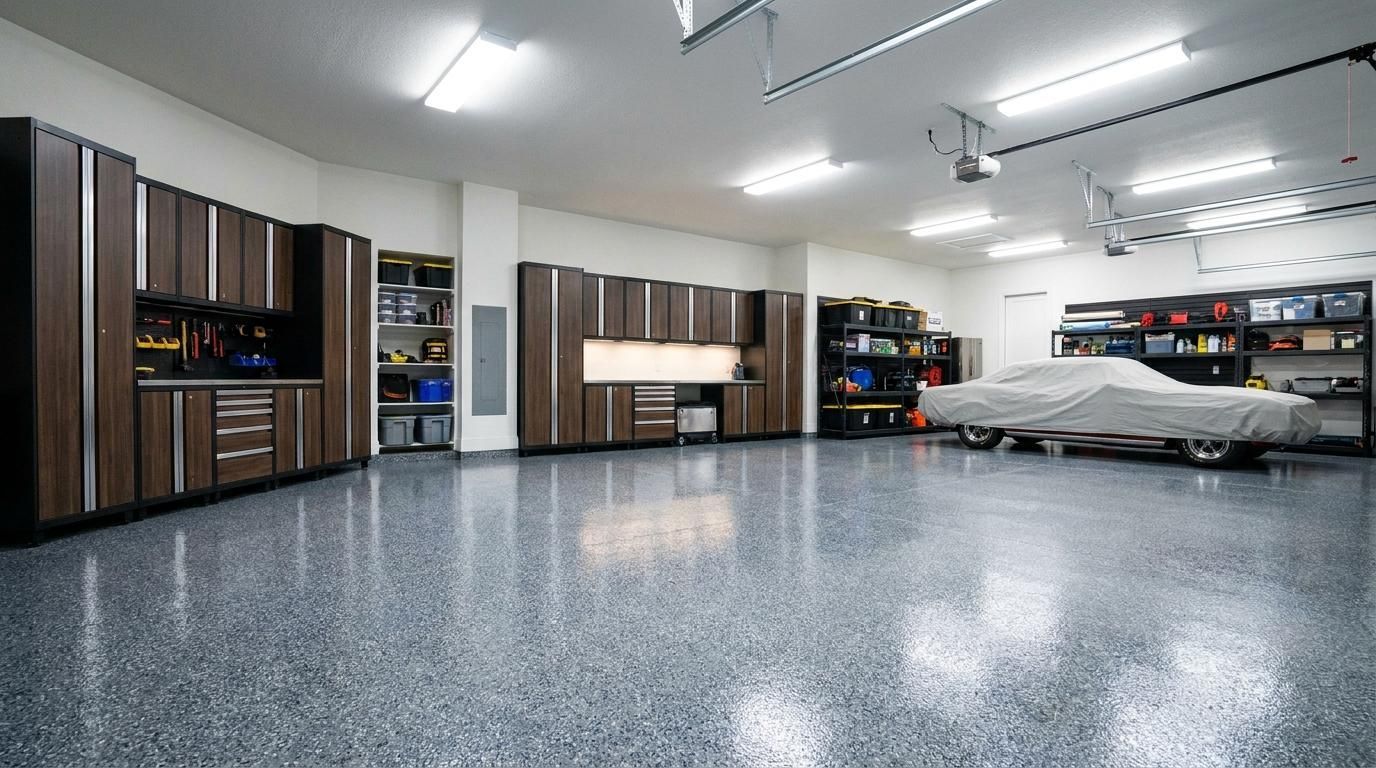
Residential garage floor coatings in Tampa Bay typically reach 25 to 30 mils total for a broadcast flake system with a polyaspartic topcoat. That build handles vehicle weight, tire abrasion, hot tire pickup, and fluid spills without fracturing at the bond line. It's the minimum we spec for a working Florida garage.


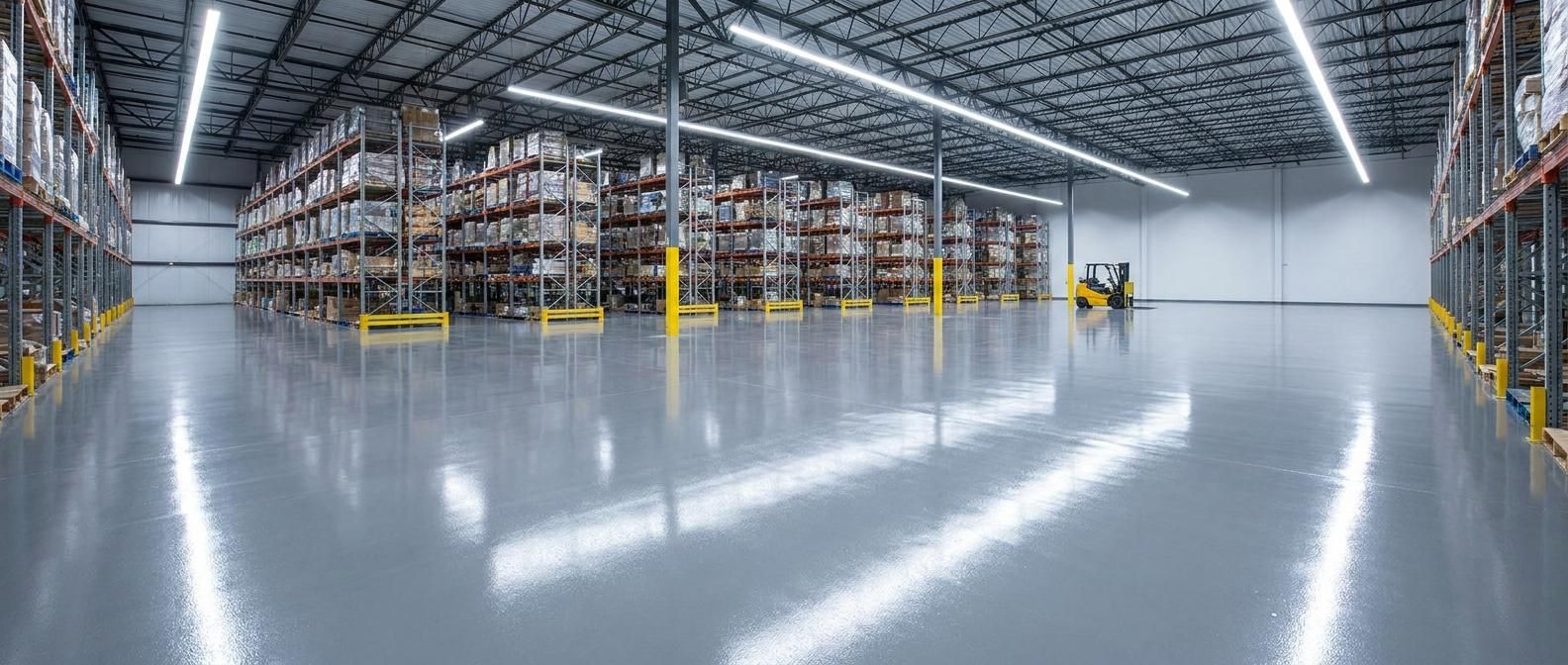
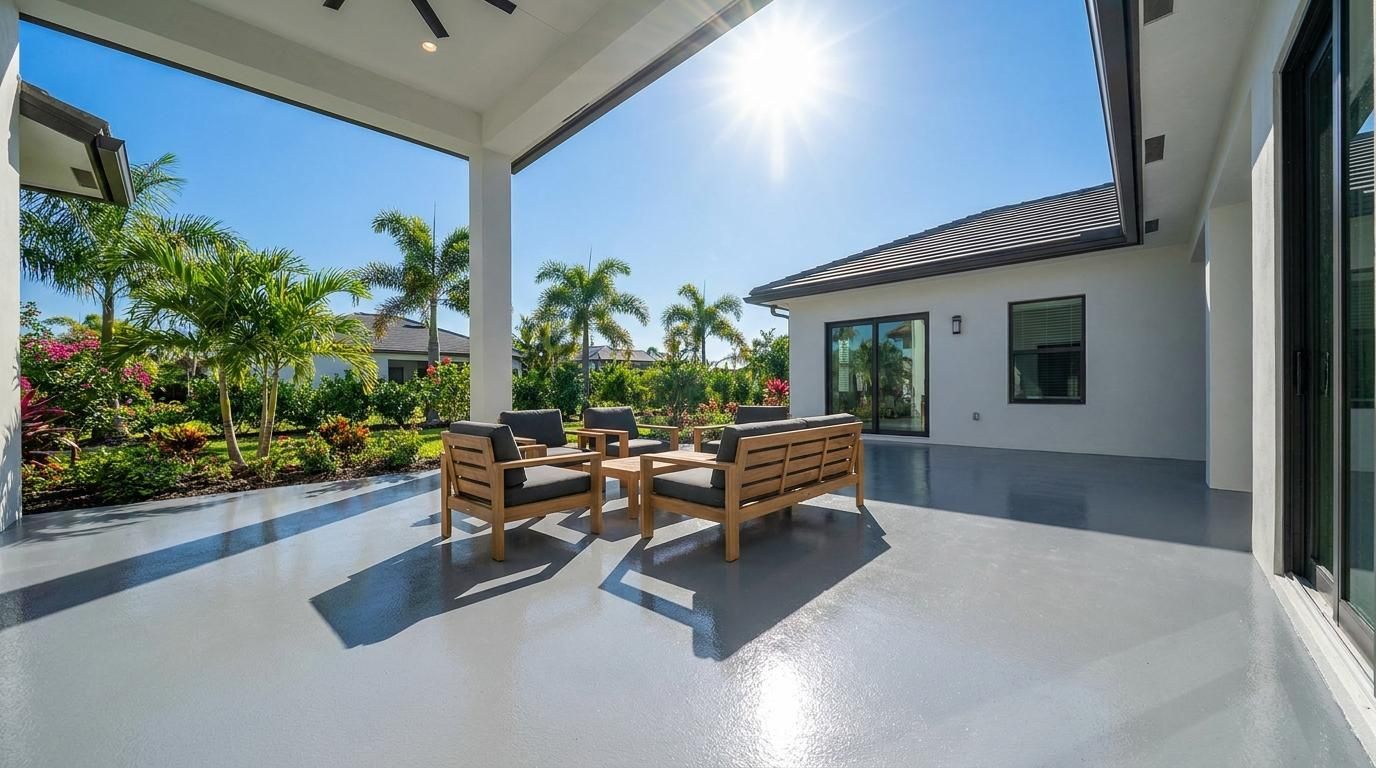
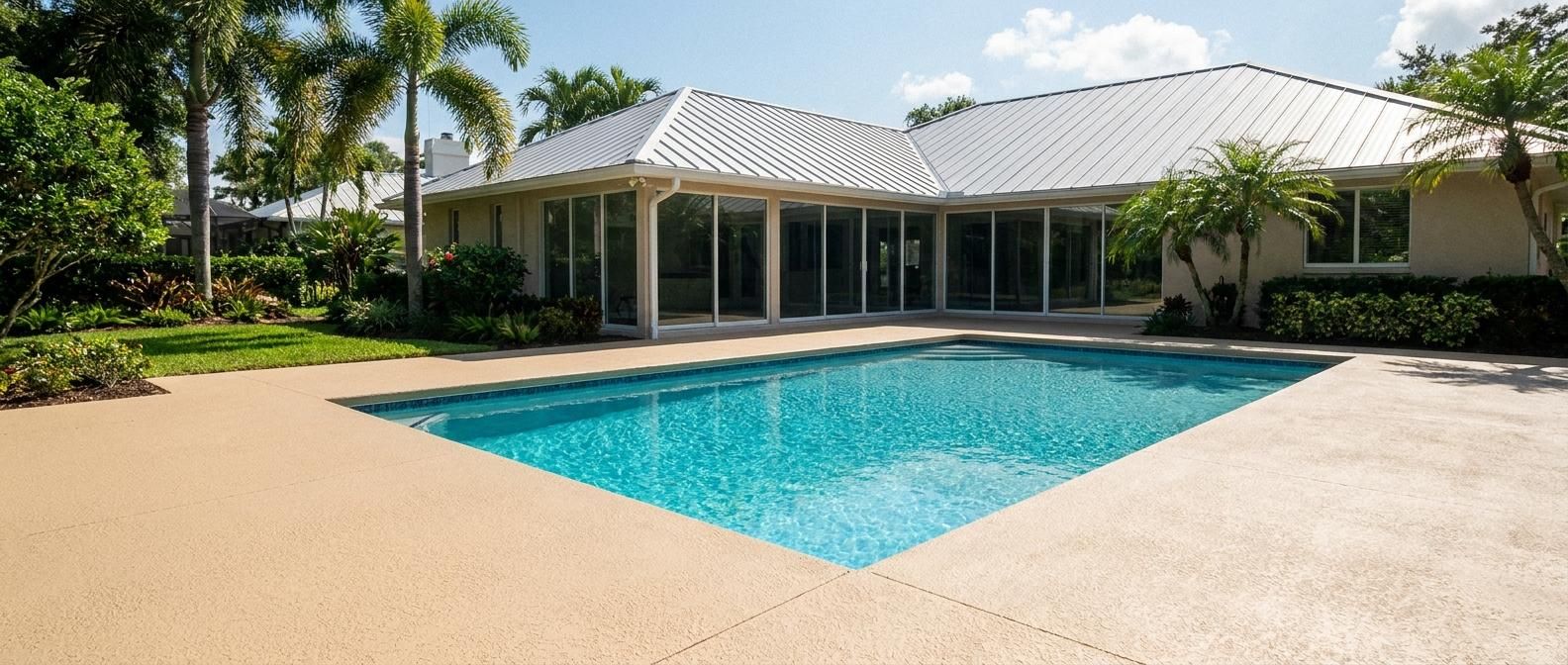
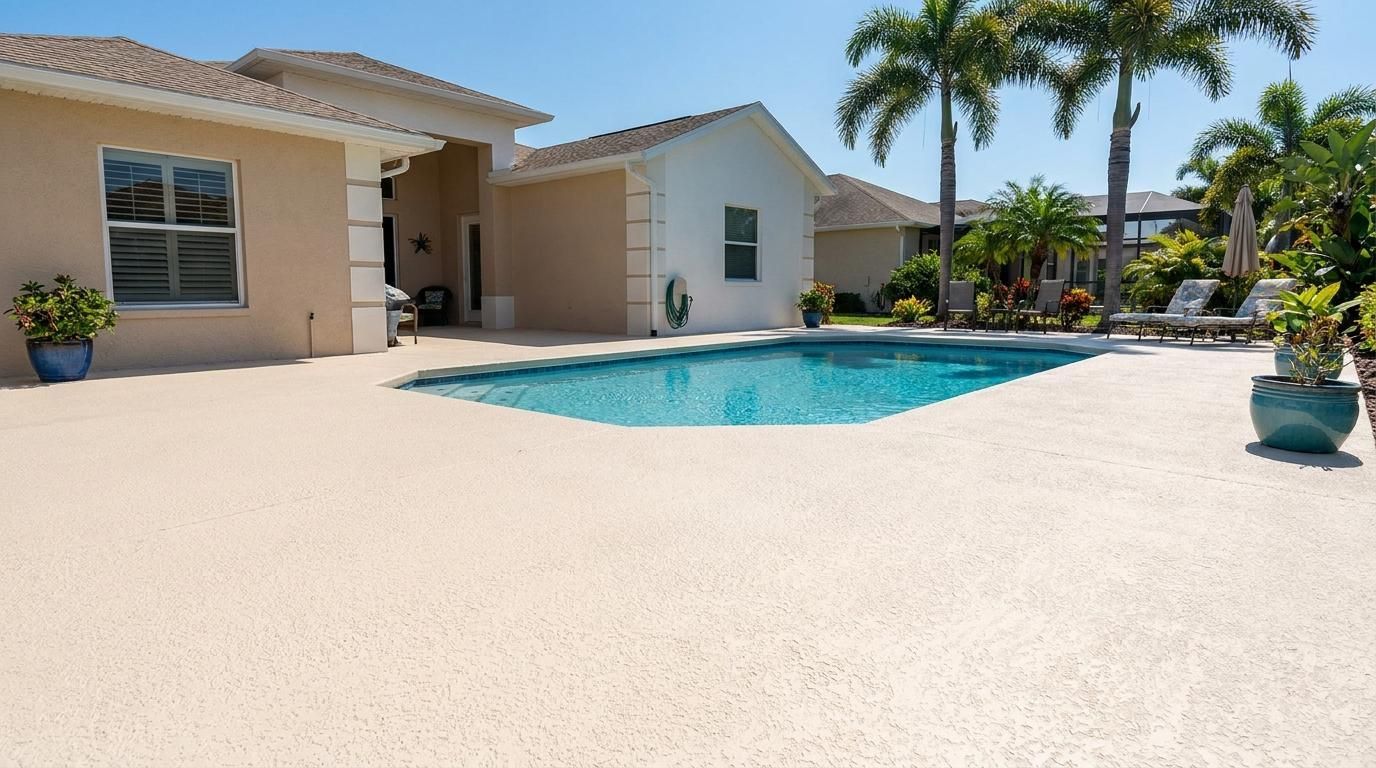
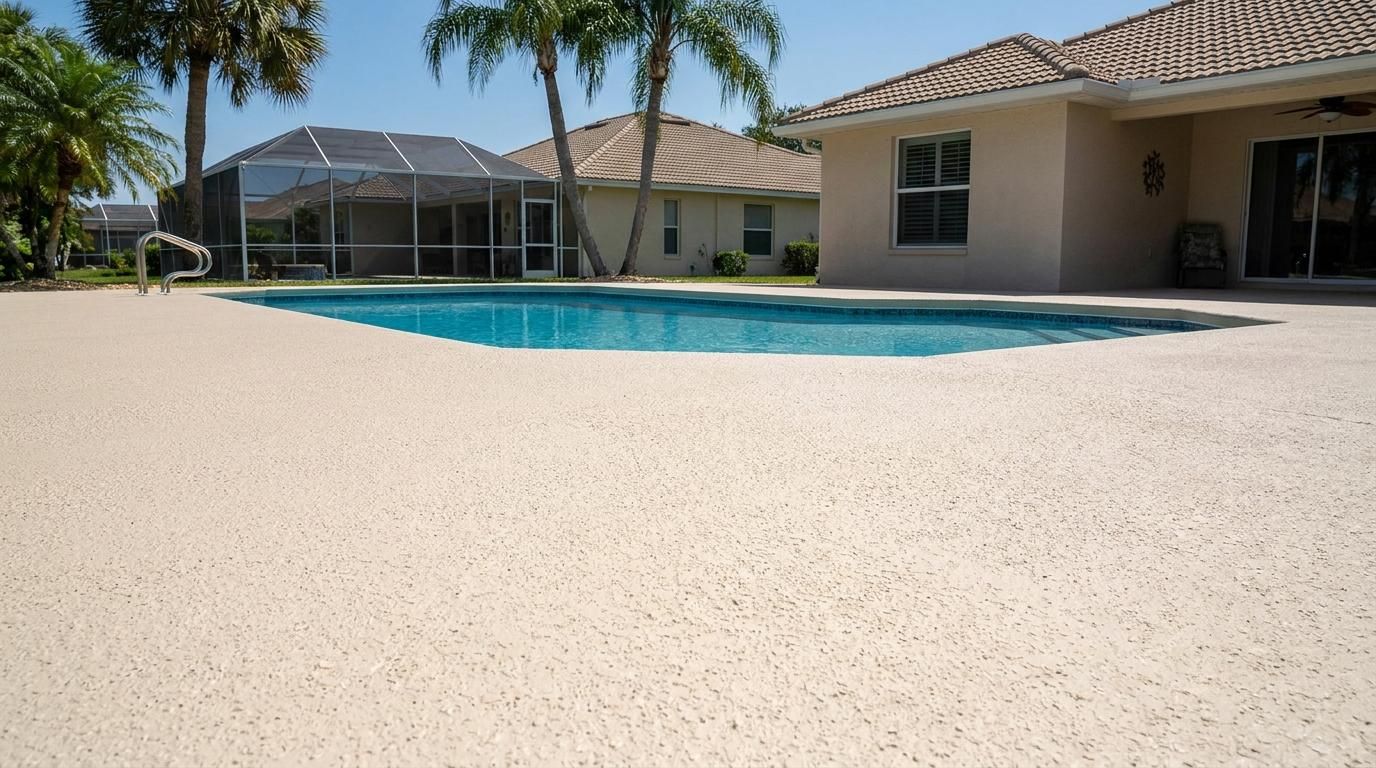
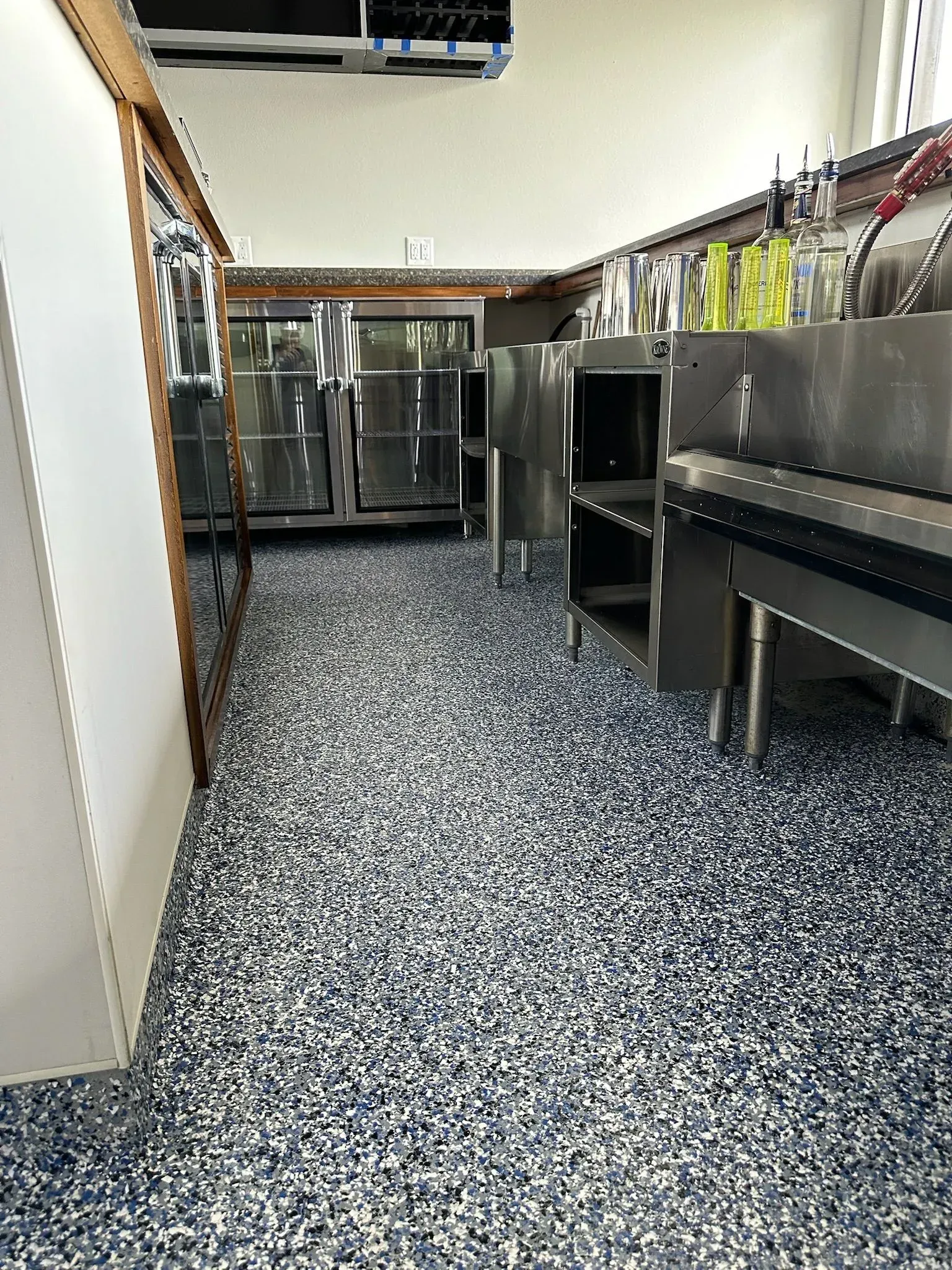
Commercial floors in warehouses and kitchens often need 40 to 60 mils in high-traffic zones, though film builds beyond a system's designed range can trap solvents and cause internal cracking. For outdoor surfaces like patios and pool decks, UV-stable systems applied at controlled thickness outperform standard epoxy. Epoxy applied too thick chalks faster because UV penetrates unevenly through a heavy film.


What Happens When Epoxy Goes on Too Thin

A base coat below 8 mils doesn't form a complete film. It bridges over micro-surface texture instead of penetrating it, leaving hollow spots that delaminate once traffic and Florida's thermal cycling begin working against the bond.


Florida's temperature swings amplify the problem. A thin, rigid film can't flex with the slab as Florida's temperatures shift, putting the bond under more stress than cooler climates would. If you've looked into how to fix peeling epoxy, inadequate film build is one of the most common factors.


How Professionals Confirm the Build

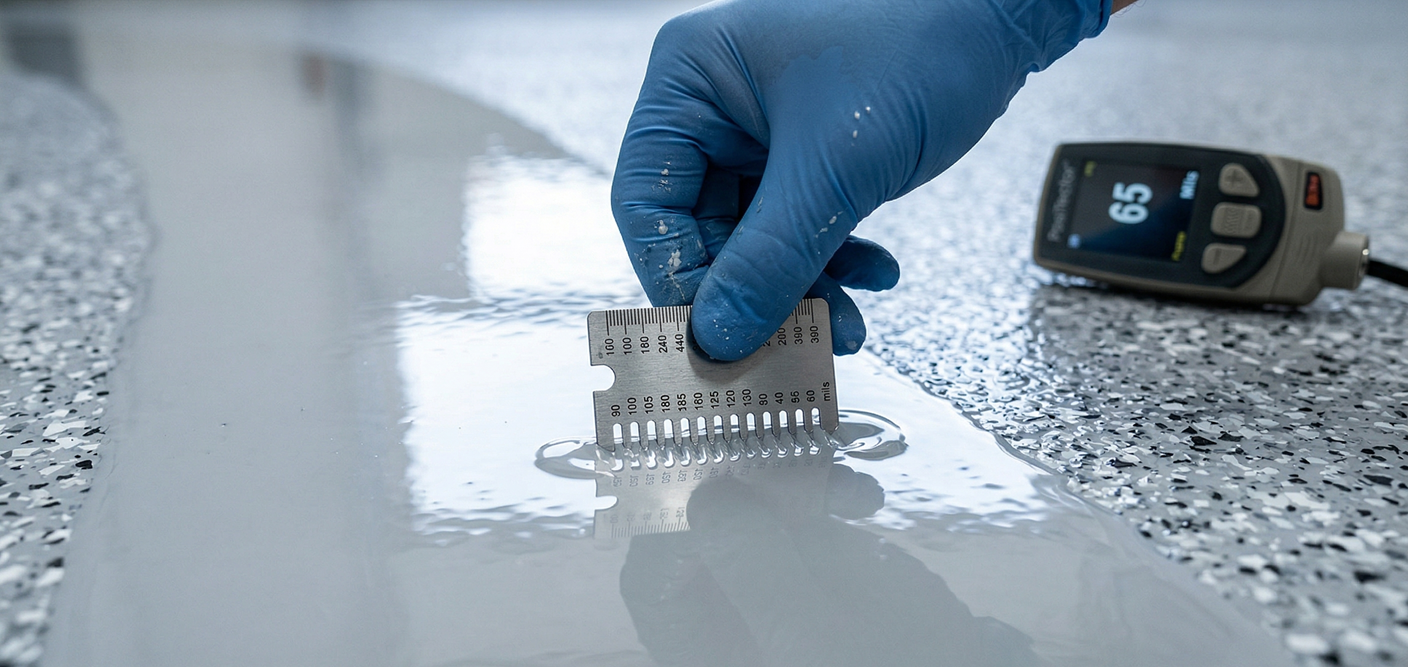
A wet film gauge is pressed into fresh coating before cure to confirm depth in mils. After curing, a dry film gauge reads the finished build electromagnetically. Walls, drains, and slab transitions are the common thin spots. Any reading below spec gets a second pass before the topcoat goes down.


Concrete Surface Pros uses commercial-grade equipment for consistent coverage across the full floor, including edges where rollers run thin. 


Frequently Asked Questions

Is thicker epoxy always better for a garage floor?

Not always. Film builds beyond a coating system's designed range can trap solvents during curing and create internal stress fractures. For most residential garage floors in Tampa, a 25 to 30 mil multi-layer system is the right balance between load durability and correct adhesion chemistry for Florida concrete.


How long does epoxy flooring last when installed at the correct thickness?

A properly installed system at 20 to 30 mils of total dry film thickness typically carries manufacturer performance ratings of 10 to 20 years for residential use. Florida's UV and high humidity make a UV-stable polyaspartic topcoat and moisture vapor barrier primer essential for reaching the longer end of that performance window.


Can I tell how thick my existing epoxy floor is without removing it?

Yes. A dry film thickness gauge measures an existing coating without destroying its surface. Concrete Surface Pros can assess your floor's film build during a free on-site visit and advise whether a topcoat recoat or full system replacement is the right next step for your situation.


Get the Right Build From the Start

Thickness is invisible when a job goes right and impossible to ignore when it doesn't. A properly built system handles Tampa Bay's heat, humidity, and thermal cycling for years without peeling or wearing through. A thin coat that looks fine on day one tells a very different story by year two.


Contact Concrete Surface Pros for a free estimate. We'll assess your slab and specify the right system for your floor.

March 2, 2026
Learn which products damage epoxy garage floors and how Tampa Bay homeowners should handle oil, tire marks, and seasonal cleaning challenges.
February 5, 2026
Is tile or epoxy better for garage floors? Concrete Surface Pros compares their costs, durability, and maintenance to help you choose the right floor solution.
February 2, 2026
What's the best epoxy coating for garage floors? Tampa's concrete coating experts explain why professional polyaspartic systems beat DIY kits every time.
January 8, 2026
Learn how to repair epoxy floor coating issues like peeling, cracks, and bubbles. Get expert maintenance tips and find out when to call Concrete Surface Pros.
January 5, 2026
Learn how to install epoxy floor coating with our step-by-step guide. Discover the critical steps DIYers miss and why hiring pros is your best course of action.
December 4, 2025
Learn the most regrettable DIY garage floor coating mistakes and how to avoid them. Protect your floor and save money with pro tips from Concrete Surface Pros.
December 1, 2025
Stop guessing how much is epoxy floor coating and get the real numbers. We break down the factors that determine professional floor coating costs in Tampa, FL.
November 3, 2025
Let Concrete Surface Pros show you how to clean epoxy floor coatings to maintain their durability and beauty. Learn about routine cleaning tasks and more.
November 3, 2025
How much do garage floor coatings cost in Tampa? Make an informed decision by examining industry price ranges while weighing upfront costs vs long-term value.
October 1, 2025
What is epoxy floor coating, and why is it so popular in Tampa? Concrete Surface Pros lists its benefits, including durability, aesthetic versatility, and more.