Is Tile or Epoxy Better for Garage Floors? Comparing Cost, Durability, and Maintenance
The tile displays at home improvement stores make garage floor tiles look like the perfect weekend project: affordable, easy to install, and "just as good" as professional coatings.
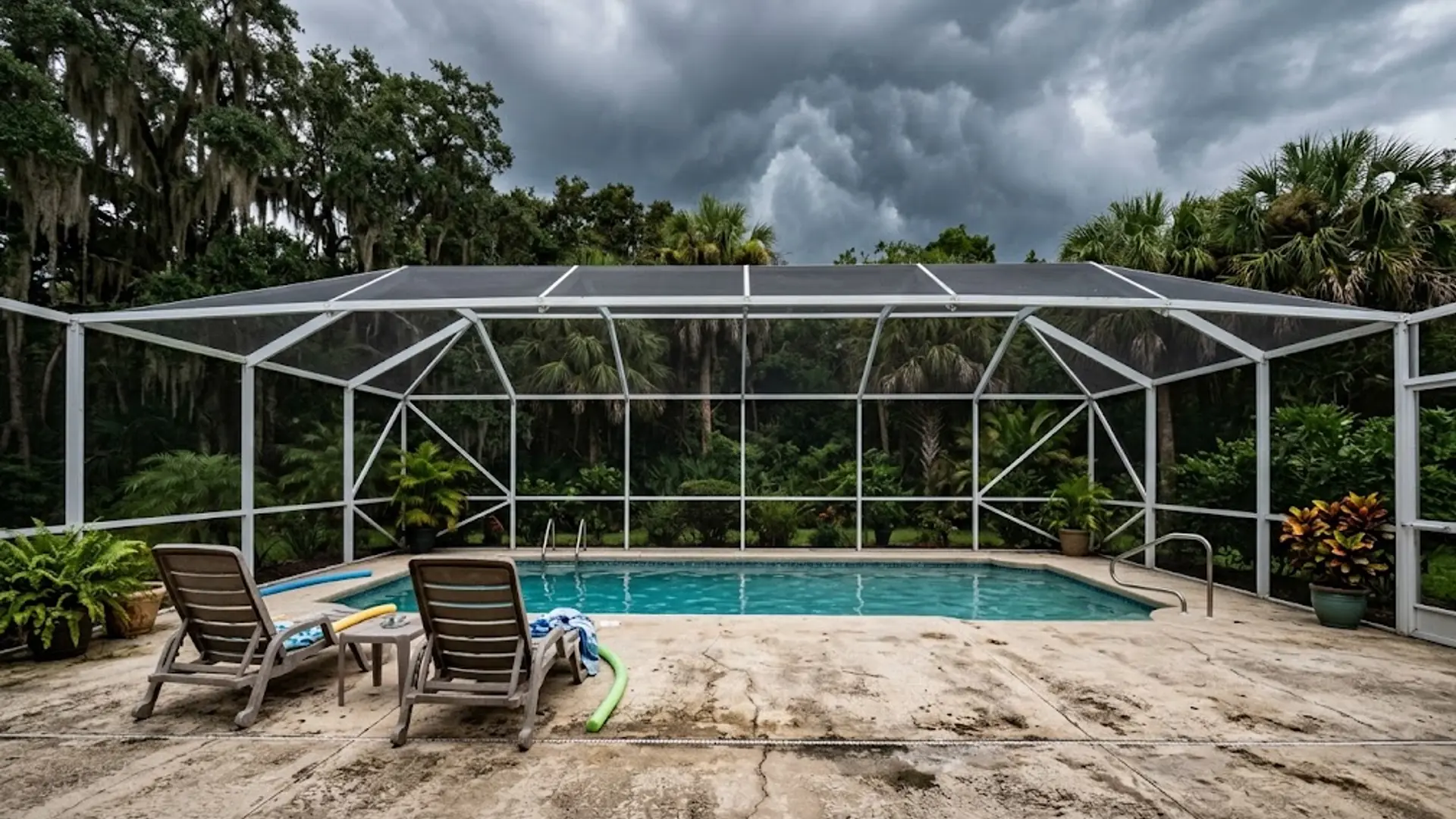
But here's what those displays won't show you: the mold growing underneath in Florida's humidity, the tiles popping loose under vehicle weight, or the impossible-to-clean seams that trap every drop of spilled oil.
The real question isn't whether garage floor epoxy vs tiles is a fair comparison—it's understanding why one is a temporary band-aid while the other is a permanent solution. After installing hundreds of floors across Hillsborough and Pinellas counties, Concrete Surface Pros has seen what actually survives Tampa's demanding conditions.

Durability and Longevity: The Seamless Advantage

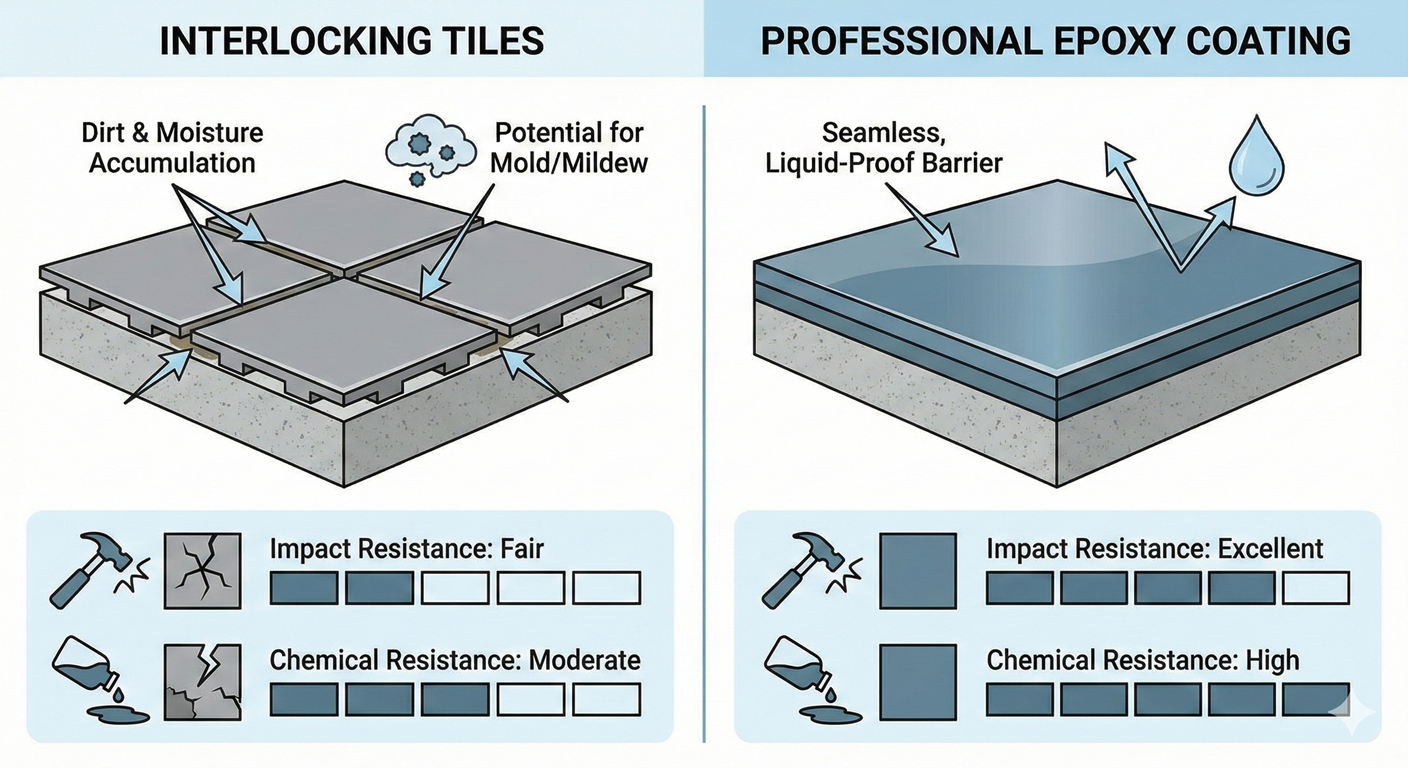
The primary difference in the garage floor epoxy vs tiles comparison is how they bond (or don't bond) to your concrete. Garage floor tiles, whether plastic or ceramic, are "floating" or adhered to the surface.
In Florida's humid climate, moisture can easily become trapped in tile seams, leading to mold growth and unpleasant odors. Furthermore, heavy vehicles can cause plastic tiles to shift or "click" when driven over, and ceramic tiles are prone to cracking if a heavy tool is dropped.
The Professional Epoxy Difference
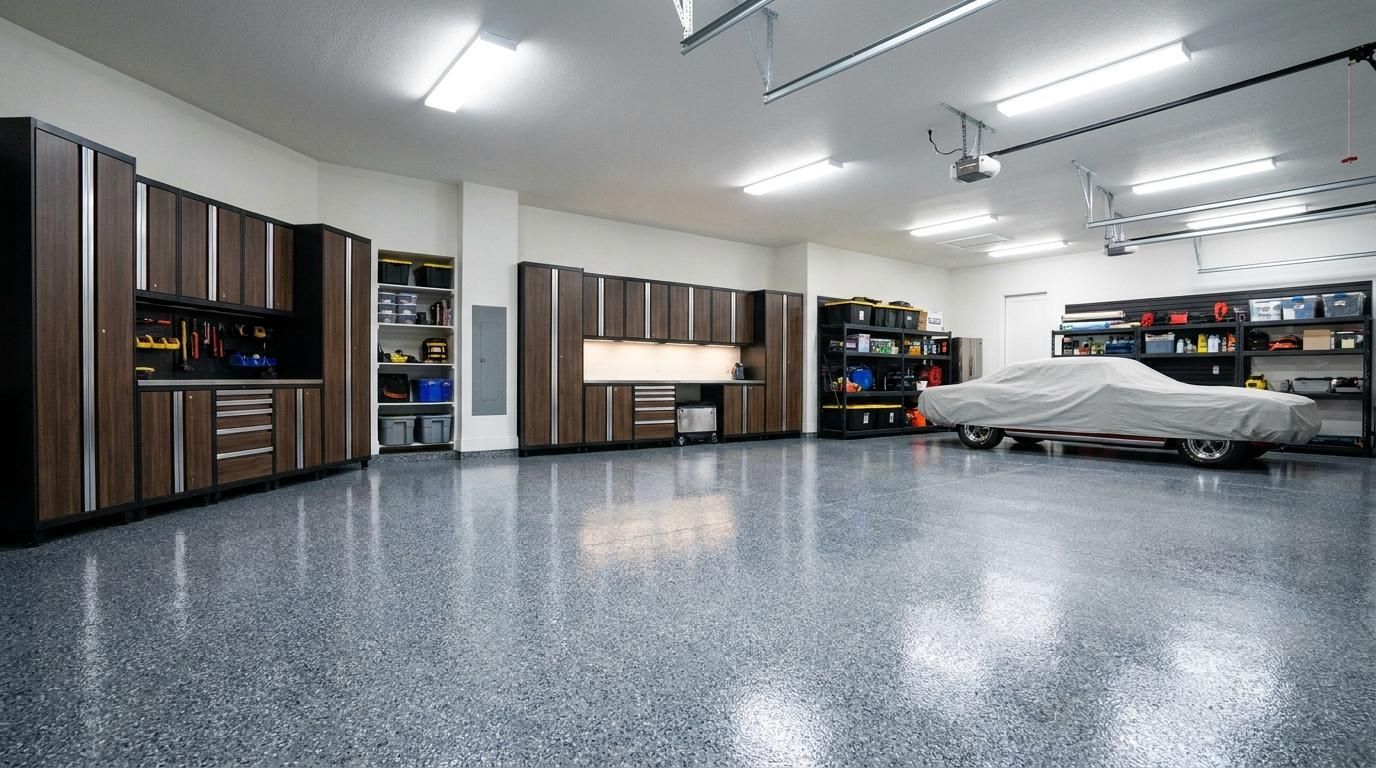
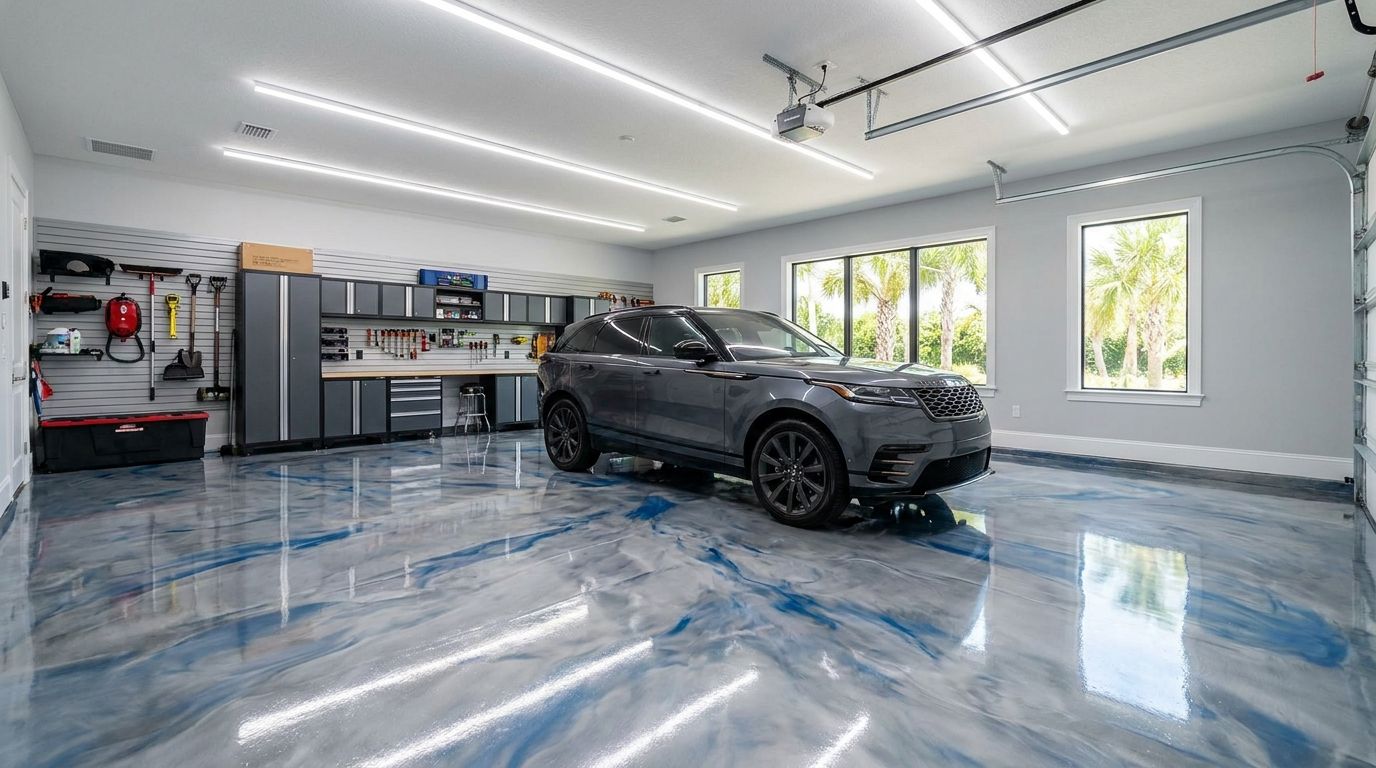
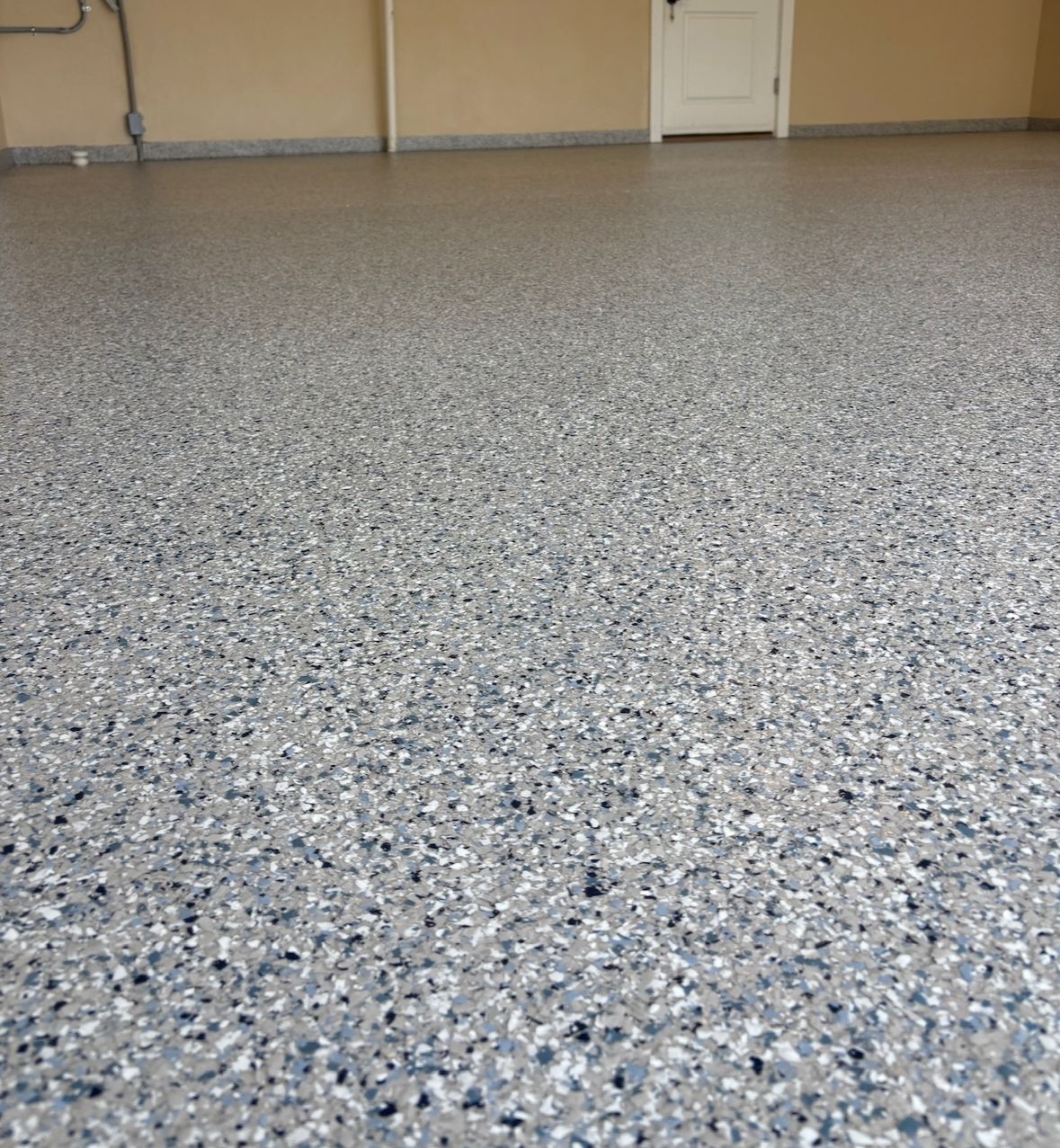
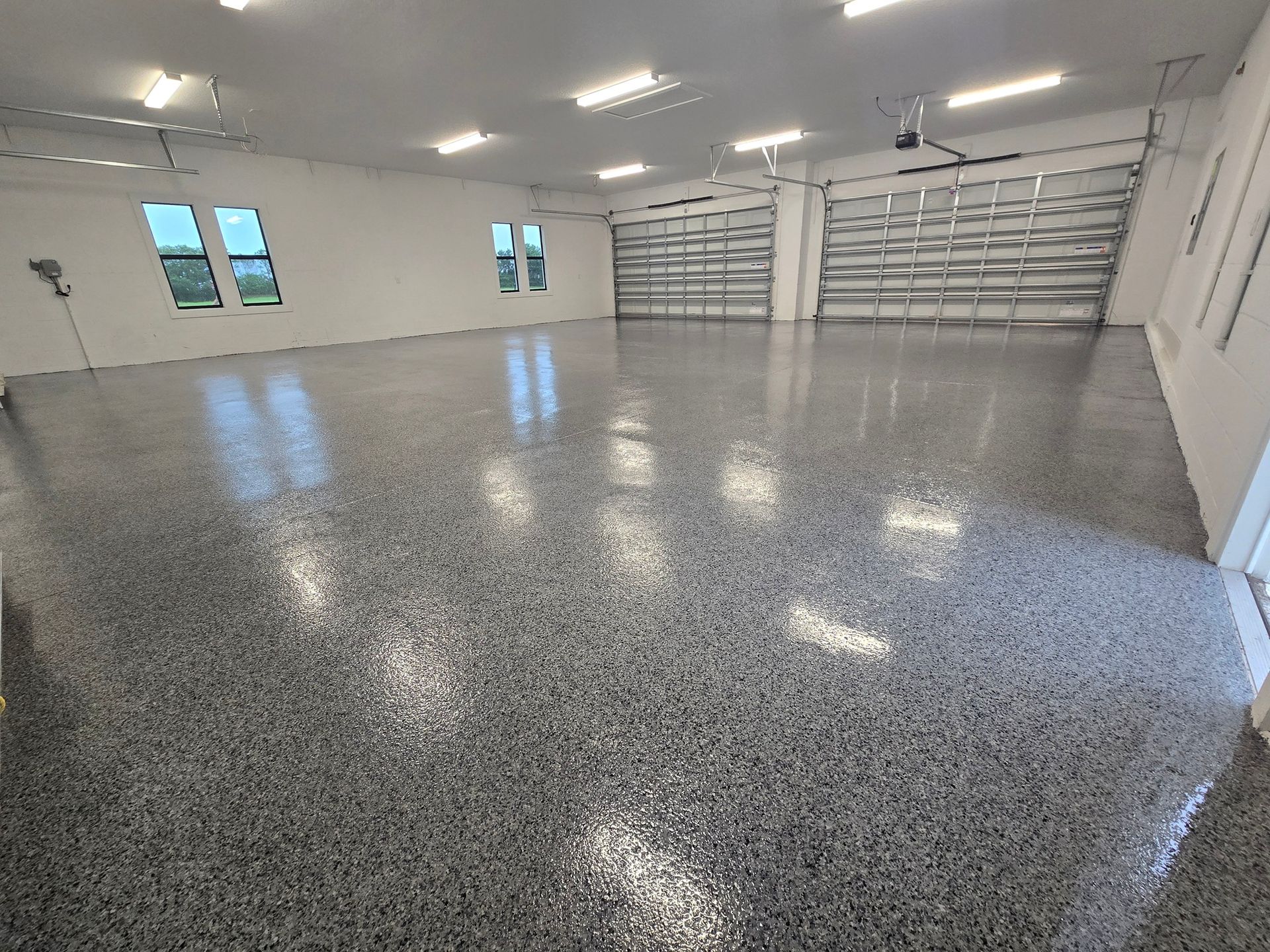
The professional garage coatings we install become a permanent part of the concrete slab. Through industrial diamond grinding, we ensure the resin penetrates the concrete’s pores. This creates a monolithic surface that significantly reduces the risk of shifting, cracking, or trapping moisture.
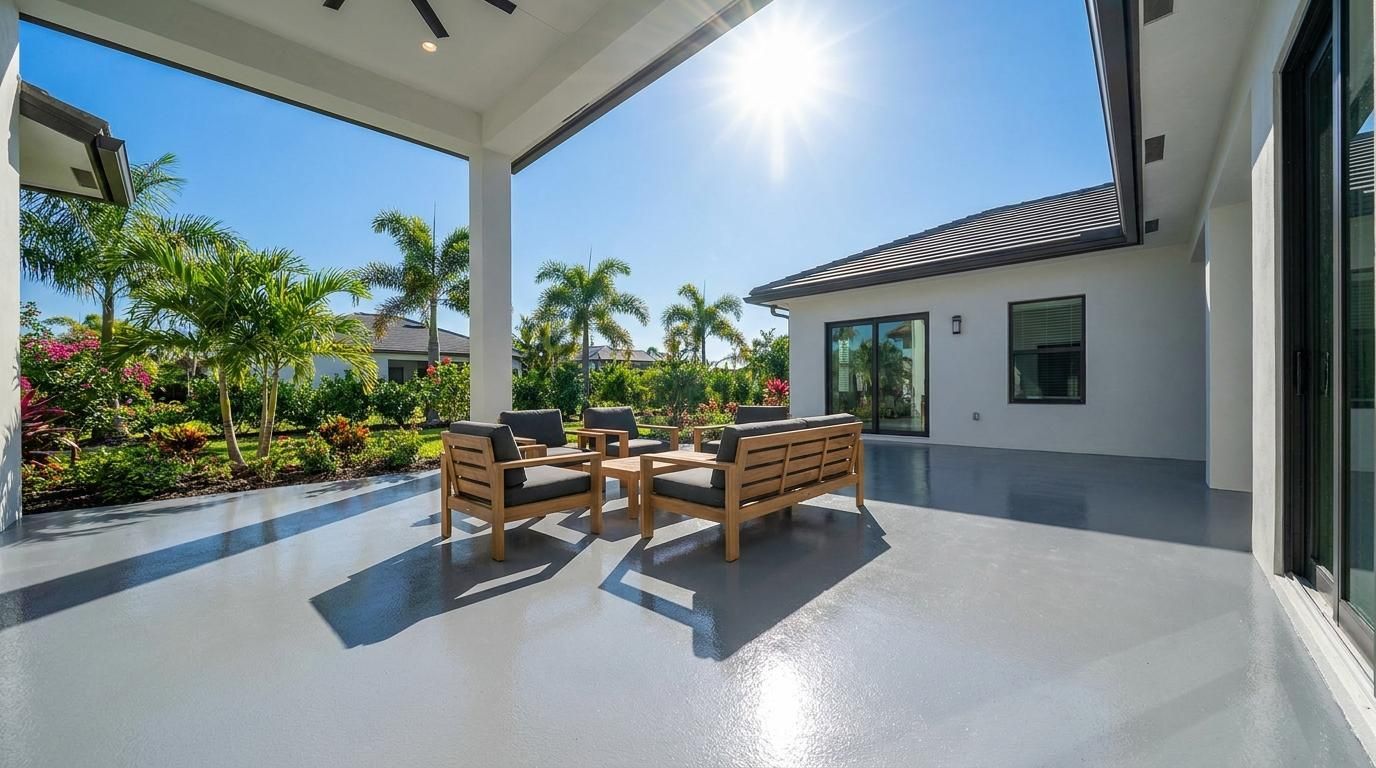
For homeowners in coastal areas like Clearwater or St. Petersburg, this seamless barrier is essential for protecting the underlying concrete from salt-air corrosion and moisture intrusion.
Common Tile Problems in Florida Garages
Florida's climate is particularly harsh on tile installations:
- Moisture trapped under tiles leads to mold, mildew, and musty odors.
- Plastic tiles warp and shift in summer heat and under vehicle weight.
- Ceramic tiles crack when heavy tools or equipment are dropped.
- Seams collect debris that's impossible to fully get rid of.
- Adhesive fails in high humidity, causing tiles to pop loose.
- The absence of a moisture barrier allows concrete damage to continue underneath.

Maintenance and Cleaning: Which Is Easier?

Maintenance is another area where epoxy clearly outshines tile. Interlocking tiles have hundreds of seams that act as magnets for dust, dirt, and spilled fluids. Cleaning them often requires taking the floor apart or using high-pressure air to blow out debris.
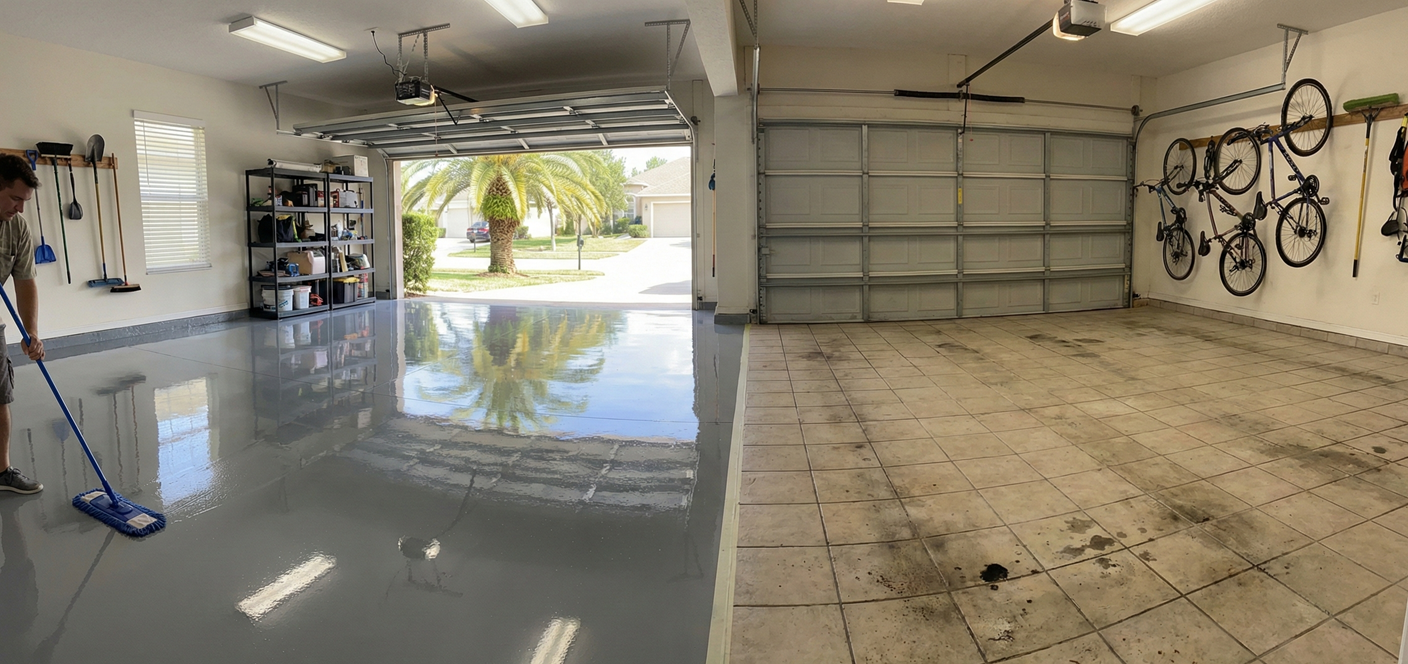
Ceramic tiles are slightly easier to sweep, but the grout lines eventually stain and become impossible to clean without professional scrubbing.
The Low-Maintenance Epoxy Advantage
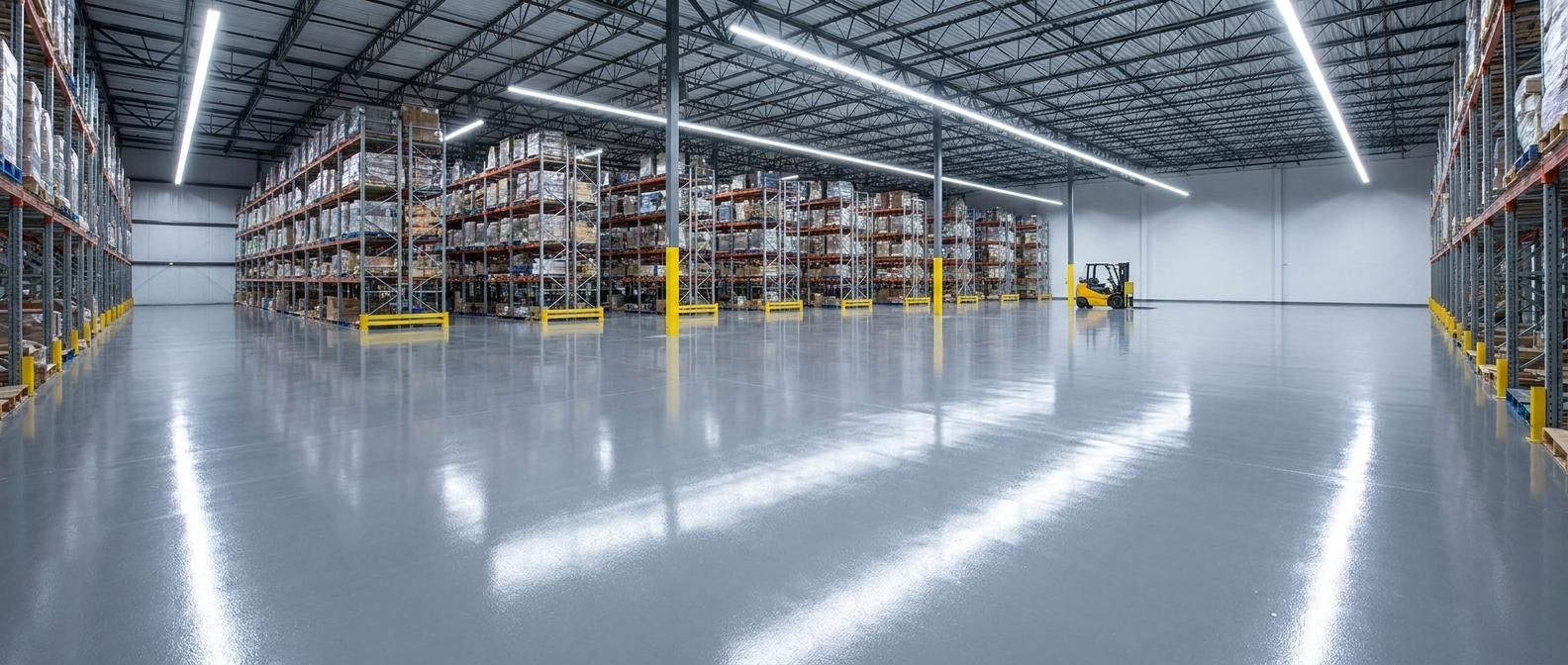
In contrast, a high-quality epoxy floor is virtually maintenance-free. Because it’s non-porous and seamless, dirt and spills sit on the surface where they can be easily wiped away. Whether you’re managing a busy home or a commercial facility, the ability to maintain a sterile, dust-free environment with just a mop and mild detergent is a massive time-saver.
Our coatings are engineered to resist oil, gasoline, and even harsh chemicals, ensuring the floor looks new for years.

Cost Comparison: Initial Investment vs. Long-Term Value

When consumers look at the initial cost of garage floor epoxy vs tiles, plastic interlocking tiles are often the cheapest "upfront" option. However, they’re a temporary solution that often requires replacement due to warping or fading.
Ceramic or porcelain tile installation is more expensive than professional epoxy installation due to the higher labor and material costs required for a proper garage-grade installation.
A professional epoxy system from Concrete Surface Pros offers the best long-term value. While the initial investment is higher than that of a DIY tile kit, a professionally installed floor has a lifespan of over 20 years.
You won't have to worry about replacing cracked garage floor tiles or dealing with mold under a floating floor. Serving the entire Tampa region, we provide a 100% satisfaction guarantee on our work with floors that are built to last.

Standalone Answer: Is epoxy better than tile for a garage?
Epoxy is generally better than tile for garage floors because it creates a seamless, non-porous bond with the concrete. Unlike tiles, epoxy can’t trap moisture or mold beneath it, won't shift under vehicle weight, and is significantly easier to clean because it lacks grout lines or interlocking seams where dirt accumulates.
Get a Floor Coating That Lasts 20+ Years

Concrete Surface Pros specializes in high-performance coatings that outperform tile in every category. Our experienced team is ready to transform your space with a floor that is equally beautiful and durable.

We proudly serve the Tampa Bay area with expert service and premium materials.
Contact us today to schedule your free estimate and experience the superior benefits of epoxy for your home.